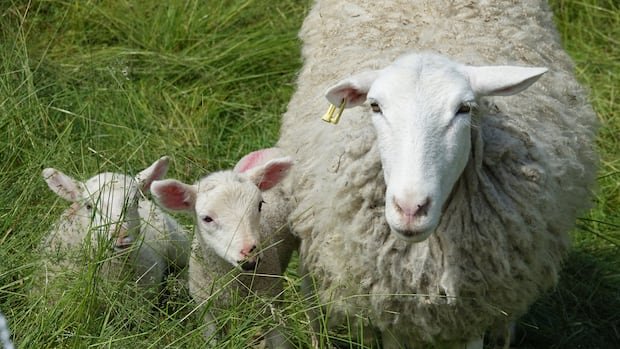
The government of British Columbia has modified its regulations to grant wildlife officers expanded authority to euthanize escaped or deserted domestic sheep to safeguard wild sheep populations. According to an official announcement, the province has revised the classification of domestic sheep under the Wildlife Act to prevent disease transmission and potential large-scale die-offs within wild herds. Both domestic and wild sheep can contract similar infectious organisms, but their immune responses and disease resistance vary. An infectious bacteria called M. ovi, or Mycoplasma ovipneumoniae, is prevalent in domestic sheep and goats, causing rare illness but potentially fatal pneumonia in wild sheep. The Ministry of Water, Land, and Resource Stewardship highlighted that the bacteria can spread through grazing, shared water or salt sources, and quickly disseminate among wild populations once introduced. The regulatory amendments now deem abandoning sheep on Crown land as an offense, enabling the ministry to take ownership of the animals.

France Live News’s goal is to give you all the news and essential information you need about France. Whether you are a foreign resident, a frequent visitor, someone with family in France, or are planning a move to the country, we aim to provide what you need. We have a keen understanding of the challenges our readers face, and we work closely with our members in France to bring you the stories and practical tips that really matter. France Live News gives a French perspective on global affairs through a network of 190 correspondents located in nearly every country.
About
© France Live News. All Rights Reserved.