
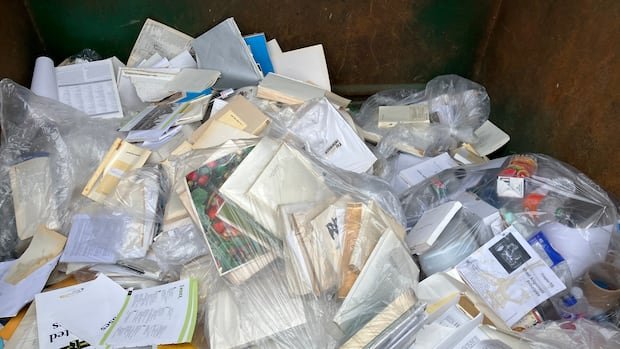
In light of a recent controversy surrounding a London high school’s decision to remove over 10,000 books from its library, there has been a discussion among archivists and librarians on strategies to preserve old and outdated books.
According to reports from the London Free Press, H.B. Beal Secondary School conducted a significant book purge between January and March last year, leading to the removal of thousands of titles from its shelves. Former Beal librarian Larry Farquharson, who opted out of participating in the book cull and has since retired, expressed concerns about the removal process. He emphasized the importance of individual choice in reading and criticized the unilateral decision-making involved in the book removals.
The Thames Valley District School Board (TVDSB), in response to the situation, clarified that the library collection review at Beal was part of a broader initiative to enhance inclusivity in libraries. The TVDSB stated that the majority of the removed items were deemed unfit for circulation due to factors such as age, condition, or outdated and potentially harmful content. The board emphasized that the removals were not acts of censorship or bans but rather part of a standard review process.
In reaction to the news, the Ontario Ministry of Education announced a temporary suspension of further school library reviews. This decision followed Education Minister Paul Calandra’s directive to halt ongoing and future library collection assessments until a thorough evaluation could be conducted. The directive was issued amid concerns stemming from the library purge at Beal Secondary School.
While the fate of the discarded books at Beal remains a topic of discussion, some experts suggest alternative approaches to handling old books. Deborah Meert-Williston, a special collections librarian at Western University, highlighted various preservation methods, including donating books to academic institutions, museums, or charities based on their value and relevance. She stressed the importance of retaining historical artifacts, even those with potentially controversial content, as they contribute to a comprehensive understanding of the past.
In addressing the ongoing practice of book weeding, Anne O’Sullivan, the public service manager at the London Public Library, explained that continuous purging of damaged or underutilized books is essential to make room for new acquisitions. She mentioned that while some books are recycled, others are sold at discounted rates through the library’s used bookstore. O’Sullivan emphasized the significance of maintaining books that hold historical value, ensuring they are preserved for public access and research purposes.
Overall, the debate surrounding book preservation and removal underscores the complexities involved in managing library collections and balancing historical significance with contemporary standards. As discussions continue on the best practices for handling old and outdated books, the preservation of diverse literary resources remains a critical aspect of maintaining cultural heritage and promoting access to knowledge.