
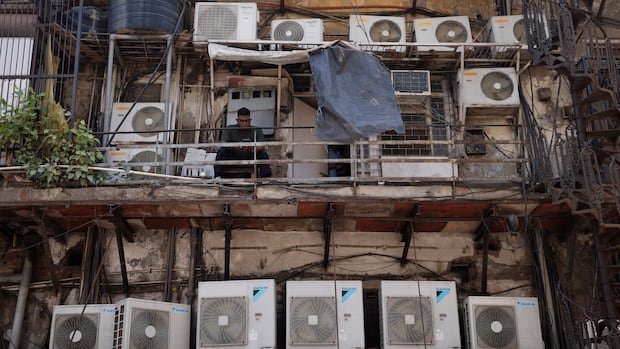
Buildings are responsible for nearly 40 percent of the world’s greenhouse gas emissions, with the majority coming from the use of fossil fuels in heating and cooling systems. However, there are viable solutions available to address this issue, and several countries have already started implementing them.
The United Nations Environment Program released its annual Global Status Report for Buildings and Construction, highlighting that close to half of the world’s extracted materials are used for construction, contributing to 37 percent of global emissions and 28 percent of global energy consumption. Despite a 20 percent increase in floor space over the past decade, building emissions have risen by 6.5 percent, indicating a slowdown in progress since 2020.
The report emphasized the continued reliance on fossil fuels for heating, cooling, and cooking in buildings. It suggested various solutions such as passive cooling techniques like shading, rooftop solar installations, and district heating and cooling systems that utilize renewable energy sources to enhance energy efficiency.
As the demand for cooling rises due to global warming, the report underscored the importance of passive cooling methods that require little to no energy consumption. Countries like Kenya, Pakistan, and California are leading efforts to incorporate passive cooling measures into building regulations to improve energy efficiency and reduce environmental impact.
Implementing solar-powered solutions, particularly rooftop and balcony solar panels, can further reduce reliance on fossil fuels for electricity generation. Countries like Australia, India, Pakistan, Sri Lanka, and Germany have seen significant growth in solar energy adoption, driven by incentives and awareness campaigns promoting the benefits of renewable energy sources.
Additionally, transitioning to renewable heating and cooling technologies, such as geothermal or solar thermal systems, can help reduce reliance on fossil fuels. District heating and cooling systems, which enable shared energy usage among multiple buildings, offer a more efficient and sustainable alternative to individual building systems.
Overall, the report emphasized the need for policymakers to prioritize the adoption of green building technologies and incentivize the use of renewable energy sources to accelerate the transition towards sustainable and energy-efficient buildings.