
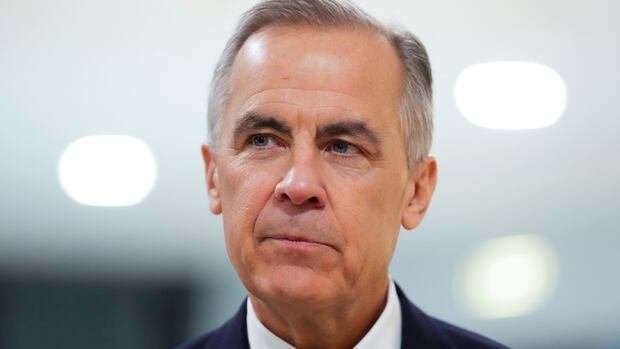
Prime Minister Mark Carney has reiterated that Canada has no plans to engage in a free trade agreement with China amid U.S. President Donald Trump’s warnings of imposing harsh tariffs if such a deal materializes. Carney emphasized that recent discussions with China aimed to address specific trade concerns, including Chinese-made electric vehicles (EVs), agricultural products, and seafood.
In adhering to the Canada-U.S.-Mexico Agreement, Carney affirmed the country’s commitment to informing the other signatories before pursuing any free trade agreement with a non-market economy like China. Trump, however, continued to criticize Canada, expressing concerns over potential economic consequences and accusing Canada of becoming too involved with China.
Following the recent agreement allowing a specified number of Chinese EVs into the Canadian market at reduced tariffs in exchange for concessions from China on Canadian goods like canola, Trump issued a warning of imposing a 100 percent tariff on Canadian exports to the U.S. if Canada proceeds with a deal with China.
The U.S. president’s stance has shifted from an initial positive reaction to the agreement to a more confrontational tone, suggesting potential punitive measures against Canada if it deepens trade ties with China. U.S. Treasury Secretary Scott Bessent clarified that such tariffs could be imposed if Canada engages in a free trade pact with China, signaling a possible escalation in trade tensions between the two countries.
Experts, including economist Moshe Lander from Concordia University, noted Trump’s strategy of restricting Canada’s options to gain leverage in future trade negotiations. Lander highlighted the importance for Canada to explore alternative trade partnerships to strengthen its position in discussions, especially during the upcoming review of the North American free trade agreement.
The evolving situation between Trump and Canada, triggered by Carney’s remarks at the World Economic Forum in Davos, has underscored the need for a strategic response from Canada to safeguard its economic interests and navigate the changing global landscape. Foreign Affairs Minister Anita Anand emphasized the importance of collaborating with like-minded nations to address shared challenges and ensure Canada’s economic resilience and diversification.
As Canada assesses its foreign policy approach in response to Trump’s warnings and escalating tensions, the government remains focused on protecting its economy, promoting trade diversification, and fostering partnerships with key global players like India and China to mitigate risks associated with overreliance on any single market.