
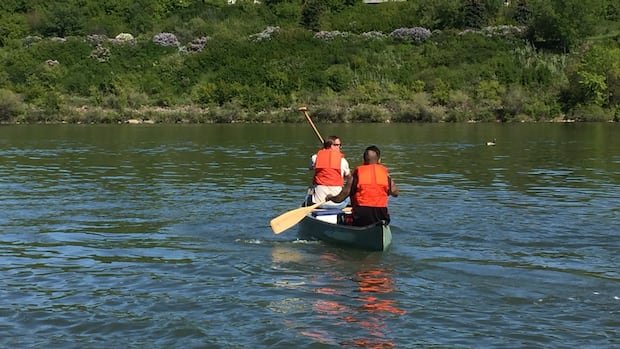
Saskatoon residents who enjoy water activities are facing potential disruptions to their summer plans as a significant amount of snowmelt from the Rocky Mountains is expected to increase water levels in the South Saskatchewan River. David Ukrainetz, a seasoned rower, emphasizes the importance of maintaining optimal river levels to avoid safety hazards and navigation challenges. Last year’s low water levels caused issues such as boats getting stuck on sandbars and damaged equipment.
This year, the water level is considered ideal, but the impending surge in water volume presents new concerns, particularly regarding safety risks for inexperienced users. John Pomeroy, from the University of Saskatchewan’s Centre for Hydrology, reports record snowpack depths in Alberta, with some exceeding four meters and providing substantial water equivalents upon melting.
The snowmelt has already begun to flow into Lake Diefenbaker, which feeds into the South Saskatchewan River. The Water Security Agency noted a rapid increase in water flow into the lake, with projections indicating a threefold increase by the week’s end. Snowmelt typically contributes the majority of water flow in the Saskatchewan River basin, leading to rising water levels in May and June before receding in July and August.
Mike Steckhan, the senior captain of the Prairie Lily ferry, advocates for raising water levels to support operational activities and ensure a smoother flow along the river. He highlights the economic benefits of maximizing water levels while emphasizing the need for proper management to avoid potential issues.