
Federal prosecutors were denied the opportunity to pursue the death penalty against Luigi Mangione for the murder of UnitedHealthcare CEO Brian Thompson, as a judge’s ruling on Friday thwarted the Trump administration’s push for Mangione’s execution. The judge, Margaret Garnett, dismissed the federal murder charge against Mangione due to technical flaws, thereby eliminating the possibility of the death penalty as a sentencing option for the jury. While a gun charge was also dismissed, stalking charges, carrying a maximum penalty of life imprisonment, remained in place. The judge highlighted that to pursue the death penalty, prosecutors needed to demonstrate that Mangione committed the murder while engaging in another violent crime, which stalking did not qualify as per legal definitions and precedents.
Despite the setbacks in terms of charges, the judge allowed the use of evidence collected from Mangione’s backpack during his arrest, including a 9-mm handgun and a notebook containing references to harming an insurance executive. Mangione’s defense had contested the legality of the search, arguing that it was conducted without a warrant.
The legal proceedings may face appeals in the future. A spokesperson for the U.S. attorney’s office in Manhattan, responsible for prosecuting the federal case, was not immediately available for comment.
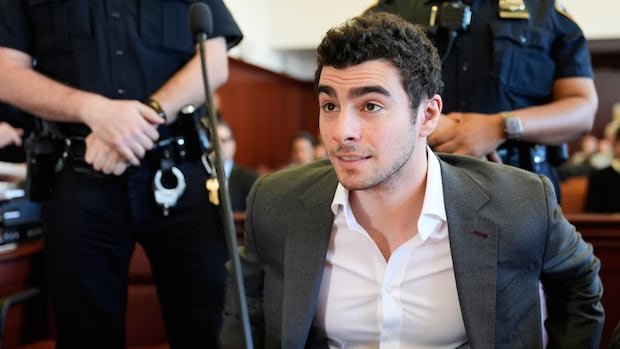
Judge Garnett acknowledged that her ruling might seem unconventional, but she emphasized her commitment to applying Supreme Court directives to the case’s charges diligently, with the law being the primary focus. Mangione, who has pleaded not guilty, appeared composed during a scheduled hearing following the judge’s decision. While prosecutors retained their right to appeal, they expressed readiness to proceed with the trial.
The federal trial, involving jury selection starting on September 8 and testimony commencing on October 13, is on track. In contrast, the schedule for the state trial remains pending. Brian Thompson was fatally shot on December 4, 2024, while heading to a hotel in midtown Manhattan for an investor conference. Surveillance footage captured the masked assailant shooting Thompson from behind, with incriminating phrases inscribed on the ammunition.
Mangione, a graduate from an affluent Maryland family, was apprehended five days later at a McDonald’s in Pennsylvania. The decision to seek the death penalty against Mangione was in line with former President Donald Trump’s tough stance on capital punishment, with Attorney General Pam Bondi issuing the directive to federal prosecutors last year. The move marked the first instance of Trump’s administration pursuing the death penalty in his second term, post-resumption of federal executions under his predecessor.
The ruling by Judge Garnett, appointed by President Joe Biden, followed extensive legal arguments and filings from both prosecution and defense teams. In addition to contesting the death penalty, Mangione’s lawyers criticized Bondi’s decision as politically motivated rather than merit-based. Prosecutors defended their stance, asserting the legality of the charges warranting the death penalty and downplaying the impact of pretrial publicity on the case’s integrity.
The defense’s concerns were countered by prosecutors, who emphasized the importance of thorough jury selection and ensuring Mangione’s rights during the trial. They argued against dismissing the indictment or barring the death penalty, suggesting that prior legal precedents didn’t support such actions. The case continues to draw attention and debate, with supporters of Mangione expressing their sentiments outside the federal court.