
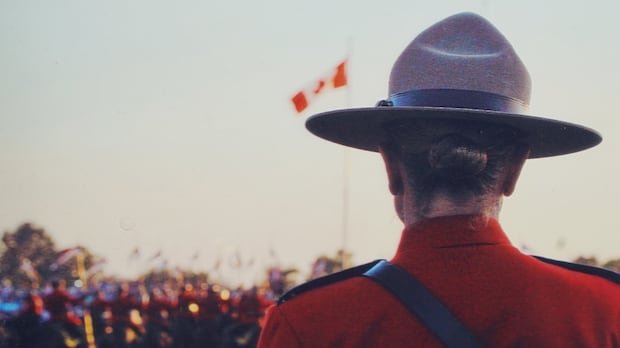
More than one thousand past and present employees of the Royal Canadian Mounted Police (RCMP) have alleged that they were subjected to inappropriate and intrusive breast, genital, and rectal exams during mandatory medical screenings as new recruits, according to information obtained by CBC News.
Class-action lawyers have revealed that around 1,000 RCMP recruits and employees have raised concerns about doctors performing unnecessary and inappropriate exams that some consider to be sexual assault, assault, or battery.
The lawsuit, initiated in 2019 and certified in 2021, initially focused on accusations of sexual assault by two RCMP doctors. However, following widespread media coverage, hundreds of men and women have lodged complaints against 26 doctors hired by the RCMP.
During court proceedings, it came to light that the RCMP provided doctors with a form mandating comprehensive medical exams for all candidates as a final hiring step. This form included controversial practices such as examining if male applicants were circumcised, which the plaintiff’s lead lawyer, Megan McPhee, criticized as irrelevant to occupational health requirements.
The case is set to be heard in Federal Court in Toronto on January 19, where McPhee will seek compensation and a summary judgment to resolve the multi-million dollar case without a full trial.
While the RCMP has declined to comment in interviews, it has refuted claims of systemic negligence in its court filings. The RCMP expressed concern for those who felt victimized and stated that opposing the motion was not to diminish the seriousness of the allegations but due to the need for a full trial to address legal and factual complexities.
The class action was launched after multiple women alleged sexual assault and impropriety by two doctors, one in Toronto and another in Halifax, leading to investigations by the RCMP, Toronto police, and the College of Physicians and Surgeons of Ontario. Despite the investigations, no criminal charges were filed.
Sylvie Corriveau, the representative plaintiff in the civil suit, recounted her disturbing experience during a medical exam in 1989, emphasizing that the exam was inappropriate and suggestive of the doctor’s own gratification. Corriveau retired in 2020 after a long career within the RCMP and questioned the necessity of such invasive exams for her role as a 911 operator.
McPhee, the lawyer representing Corriveau, argues that the RCMP is accountable for systemic negligence, citing a lack of oversight, policies, supervision, and safeguards regarding the medical screening process for applicants.
In response to the allegations, the RCMP mentioned adaptations made to their medical practices over time, emphasizing changes to enhance privacy, expand eligibility to women, and reduce certain sensitive examinations in line with modern occupational health standards.
The case also highlights instances where male recruits were subjected to prostate exams without clear justification, sparking concerns about the lack of transparency and uniformity in the screening process.
In a separate development, a retired Supreme Court Judge recommended compensating individuals mistreated by RCMP doctors, underlining the need for Canada to address past injustices and provide restitution to all victims of abuse within the RCMP.