
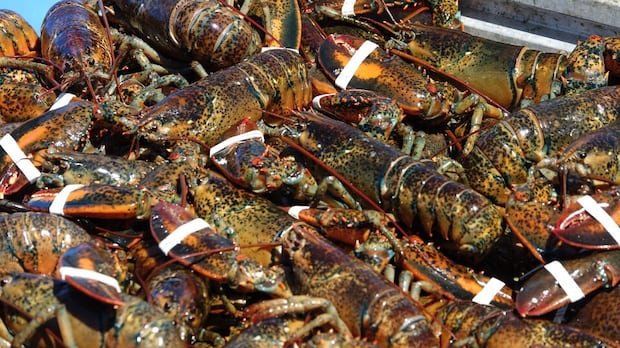
In Nova Scotia and southern New Brunswick, scientists from the Department of Fisheries and Oceans are examining potential scenarios that may arise if there are changes in lobster stocks. This includes the impact of adjustments such as reducing season lengths and trap limits, modifying size limits, and other management measures.
Adam Cook, a DFO scientist and co-lead of a recent report, highlighted that some management strategies for lobsters have been in place for an extended period. The study aims to modernize these approaches by considering evolving water temperatures.
Cook emphasized that lobster fisheries in Canadian waters are currently robust, with most stock indicators consistently above long-term averages. The objective is to offer insights to help stakeholders anticipate and prepare for any future alterations.
While emphasizing that no immediate changes to management measures are planned solely based on the study, the department stated that the findings could support potential adjustments if requested by the industry or deemed necessary due to stock conditions.
The review focused on lobster fishing areas 27 to 38, spanning from northern Cape Breton to the Bay of Fundy. Cook noted that a combination of measures is typically necessary to safeguard the species, as there is no universal solution for these areas.
The study utilized modeling and simulations to assess the impact of various management strategies. It highlighted that season length plays a crucial role in controlling exploitation and minimizing mortality, with shorter fishing windows proving effective.
Furthermore, the study emphasized the influence of water temperature on lobster behavior and growth rates. It suggested that small reductions in trap limits may not have a significant effect on exploitation unless substantial changes are made, taking into account economic and operational implications.
Long-term measures like v-notching were also considered, aiming to protect large egg-bearing female lobsters. Bernie Berry, a senior fisheries adviser, emphasized the importance of DFO’s research in helping industry stakeholders make informed decisions and prepare for potential changes in fisheries management.