
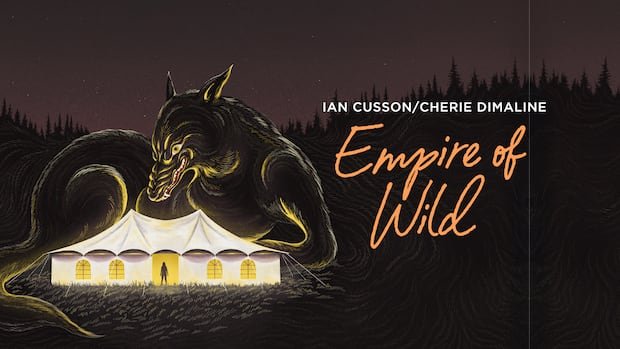
In Cherie Dimaline’s novel “Empire of Wild,” a trio of women from different generations grapple with liberating a loved one from the clutches of the Rogarou, a werewolf-like entity. Their quest involves rescuing a missing husband and safeguarding their territory from corporate encroachment.
The narrative is characterized by its raw, alluring, and intense nature, earning it the distinction of being named Indigo’s top book of 2019, surpassing renowned works such as Margaret Atwood’s “The Testaments” and Taylor Jenkins Reid’s “Daisy Jones & The Six.”
A significant investment of approximately $4 million is underway to assemble an Indigenous-driven team to adapt the book into an opera, with plans for its world premiere set in Toronto next spring.
This innovative endeavor aims to attract a younger demographic and newcomers to opera, potentially challenging traditionalists who prefer the classical repertoire.
“Empire of Wild” unfolds in the Penetanguishene Métis community situated in Georgian Bay, Ontario, Dimaline’s hometown. Composer Ian Cusson, also hailing from this locale, identified elements of the Rogarou from tales shared by his mother upon reading the novel.
Cusson expressed during a recent workshop in Toronto that the opera offers a platform for contemporary narratives to thrive, not confined to historical or European contexts but reflecting present-day themes that resonate with audiences today.
The creators aimed to craft relatable modern characters for contemporary audiences, including LGBTQ+ individuals and a working-class family navigating extraordinary circumstances. The libretto, penned by Dimaline, features authentic, colloquial dialogue, including profanity and humor, challenging conventional operatic norms.
The production is likened to an intensified cinematic experience, embracing the story’s darker, horror-inspired elements. Cusson highlighted the appeal to younger audiences seeking engaging and immersive entertainment.
Innu soprano Elisabeth St-Gelais, embodying the lead character Joan, emphasized the story’s universal themes that resonate with diverse audiences, portraying Joan’s struggles and imperfections amid personal turmoil.
“Empire of Wild” delves into themes of power, resistance, and perseverance. The narrative unfolds as Joan’s husband vanishes following a dispute over land sale, only to reappear under mysterious circumstances, entangled in industrial agendas that threaten the community.
The story draws on Indigenous lore, with a diverse cast bringing the characters to life. The production emphasizes intergenerational support through strong matrilineal bonds, showcasing Indigenous resilience and survival.
The creative team, composed of Indigenous talents, embodies a collective truth that transcends individual experiences, celebrating Indigenous cultural resilience and adaptation over time.
St-Gelais reflected on the profound impact of contributing to an opera curated by Indigenous visionaries, highlighting the current renaissance of Indigenous representation across various sectors.
The collaborative approach to artistry, spearheaded by Indigenous leaders like costume designer Jeff Chief and director Yvette Nolan, prioritizes inclusive, circular creative processes that amplify diverse voices and contributions, encouraging a new paradigm in artistic creation.
Cusson advocates for replicating this inclusive model in future opera productions, championing a holistic approach to artistry that values every participant’s unique contributions within the creative circle.