
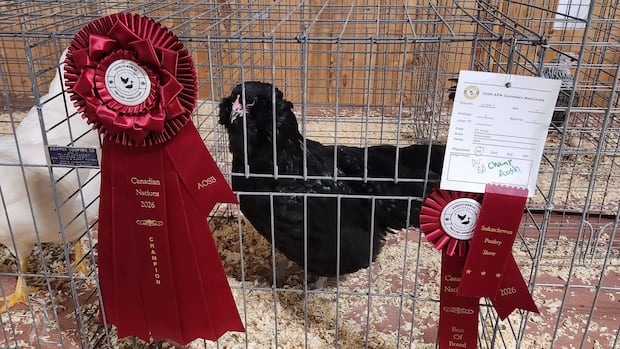
The presence of avian flu has been confirmed in three bird flocks, notably in Manitoba and Alberta, following an outbreak linked to a national poultry exhibition in Saskatchewan earlier this month, according to information from the Canadian Food Inspection Agency (CFIA) shared with CBC News.
The CFIA reported that three instances of highly pathogenic avian influenza (HPAI) have been identified in the Prairie provinces, with the possibility of more cases being confirmed as investigations continue.
The agency urges individuals who attended the event and transported birds to get in touch with them immediately.
One of the individuals involved in organizing the event expressed that the outbreak has had a severe impact on breeders.
Rob McCulloch, who was instrumental in organizing the Canadian National Poultry Show on November 7 in Moose Jaw via the Saskatchewan Poultry Association, remarked, “It’s like the total opposite of winning the lottery. It’s unexpected, but it can strike at any moment.”
-
Chilliwack poultry facility reports 1st case of avian flu in B.C. this season
-
B.C. monitoring for avian flu amid rising reports of dying wild birds
McCulloch is aware of breeders who have had to cull as many as 500 to 700 birds, and he personally had to eliminate his flock of 40 after dedicating ten years to developing that breed.
“It’s incredibly disheartening. I’ve even started a private chat group for those affected to provide mutual support,” he added.
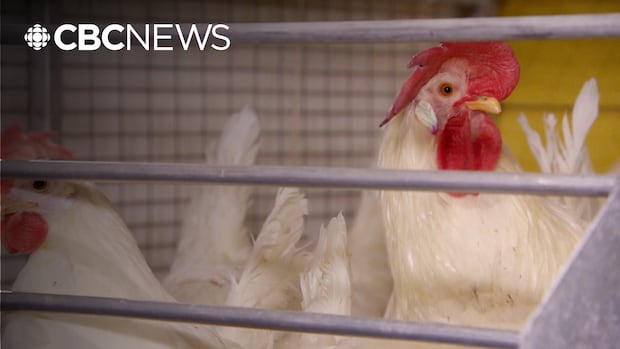
A regulator has identified bird flu in Alberta, Saskatchewan and Manitoba connected to the Canadian National Poultry Show held earlier this month in Moose Jaw, Sask.
According to McCulloch, this is the first time he has encountered an avian flu outbreak during a show he has helped organize.
For those who did not bring or take birds but own birds at home, they should keep a close watch for symptoms of illness and reach out to the CFIA if any signs appear, the letter advises.
“Maintaining good biosecurity practices year-round is crucial, but the risk escalates during the migrations of wild birds in the fall and spring,” the statement emphasizes.
Signs of HPAI can manifest as lethargy, loss of appetite, or respiratory issues in birds, with potential fatalities.