
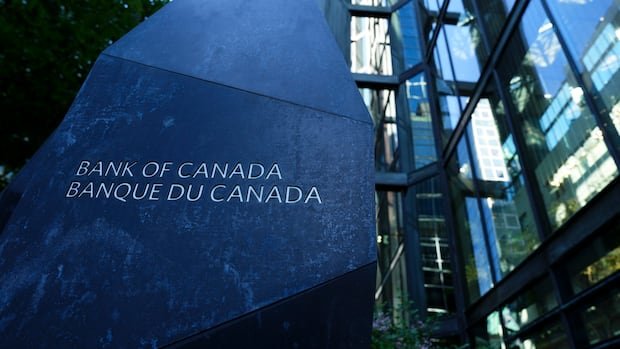
The Bank of Canada decided to keep its key interest rate steady at 2.25 percent on Wednesday, anticipating a recovery in the economy following some earlier challenges. Despite ongoing risks related to the Middle East conflict and trade negotiations with the U.S., the central bank officials expressed growing confidence in the economy’s ability to navigate these obstacles.
Bank of Canada governor Tiff Macklem stated that economic growth, which had stalled over the past year, appears to have resumed in Canada. The decision to maintain the interest rates was in line with expectations, with all 36 economists surveyed by Reuters prior to the announcement predicting no change until at least July of the following year. This marked the sixth consecutive time the bank opted to keep rates unchanged.
Although Canada experienced economic setbacks in the first part of the year, the bank noted “clear signs” of growth returning in the second quarter. The bank’s monetary policy report indicated that the earlier contraction in the economy was giving way as consumer and government spending increased. Projections suggest a 2.5 percent growth rate in the second quarter, with growing exports expected to bolster business investment in the coming months.
While inflation rose to 3.2 percent in May, driven primarily by higher fuel and food prices, the Bank of Canada does not foresee this inflationary pressure extending to other goods. The bank anticipates inflation will remain elevated in June before moderating later in the year, aiming to reach the target of two percent by early 2027.
Despite the current dilemma of rising inflation and sluggish growth, the bank remains vigilant. Macklem emphasized that the bank is prepared to adjust rates if necessary to steer inflation back towards the two percent target. Economists like BMO’s Douglas Porter acknowledge the short-term positive outlook but caution against long-term optimism due to lingering uncertainties, particularly fluctuating oil prices.
While the bank’s stance may lean slightly hawkish, Porter believes the central bank is likely to maintain its current position for the remainder of the year, indicating a cautious approach amid the ongoing economic uncertainties.