
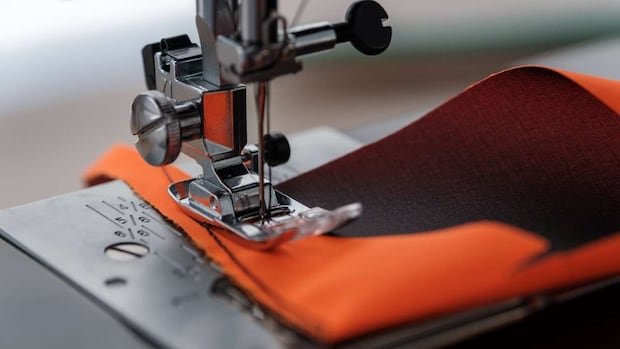
A new opportunity for repairing outdoor gear is on the horizon in British Columbia, making it more convenient for individuals with damaged equipment like tents and ski boots. Located in southeastern B.C., a college is launching what is dubbed as Canada’s inaugural outdoor gear repair and advanced manufacturing center in collaboration with the Kootenay Outdoor Recreation Enterprise (KORE), representing approximately 100 local gear manufacturers and designers.
The Rehub Circular Technology Centre, backed by $1 million in provincial funding, is designed to establish a local research and development hub for gear producers while offering students the chance to gain expertise in designing and fixing outdoor gear. KORE board chair Matt Mosteller emphasized the Kootenay region’s outdoor lifestyle, which has fostered a unique market for outdoor equipment. To prevent outdoor gear from being discarded in landfills, KORE’s focus is on extending the lifespan of equipment through maintenance and repair efforts.
KORE’s Rehub circular gear initiative operates a mobile repair team that travels across the Kootenays during the summer, aiding individuals in repairing items such as jackets, ski poles, and backpacks. The Gold Creek Campus at Cranbrook College will now provide a permanent space for this initiative. Mosteller envisions the facility becoming a central point in Canada’s outdoor recreation industry by uniting students, industry professionals, and outdoor enthusiasts.
Outdoor recreation contributes $4.8 billion annually to British Columbia’s economy according to provincial data. The College of the Rockies sees this initiative as an opportunity to enhance its role in economic development while equipping students with practical skills. College president and CEO Michael Crowe views the partnership with KORE as a way to combine outdoor expertise with advanced manufacturing, research, and circular economy innovation.
Mosteller highlighted the importance of setting up the space with the necessary equipment and resources for KORE’s maker community. The focus is now shifting towards launching educational programs swiftly, with the potential to create career pathways for students within their local communities, especially for young individuals seeking to establish themselves in mountain towns and pursue their passions while securing a stable future for themselves and their families.