
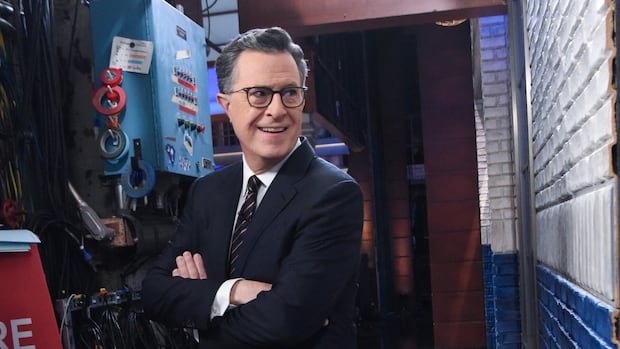
FROM the Ed Sullivan Theater in New York City emerges Stephen Colbert! This evening marks the final time we’ll hear this announcement. After 11 successful seasons, the curtains are set to close on The Late Show with Stephen Colbert, signaling the end of an era characterized by his engaging monologues, star-studded interviews, and incisive political commentary.
Colbert revealed to viewers last July that CBS had decided to end the show with the conclusion of his contract. While Paramount and CBS executives cited financial reasons rather than the show’s performance or content for the cancellation, the announcement closely followed Colbert’s criticism of Paramount Global, CBS’s parent company, settling a lawsuit with U.S. President Donald Trump over a 60 Minutes story.
Observers in the industry anticipate a significant void in the late-night lineup with Colbert’s departure. However, they acknowledge the necessity for the format to evolve to thrive in the streaming age, a shift that might already be in progress.
When Colbert assumed the Late Show from David Letterman in 2015, he brought a sharp perspective to late-night television, drawing from his background in improvisation and experience on The Daily Show and The Colbert Report. Critics, such as Eric Deggans of NPR, lauded Colbert for his role in reflecting American society, political structures, and media establishments.
The late-night landscape may undergo further changes in the wake of Colbert’s exit, potentially benefiting other late-night hosts like Jimmy Kimmel and Jimmy Fallon. As the industry adapts to the digital age, the traditional late-night format must also pivot to cater to evolving viewer habits.
Late-night shows are poised to excel in an era where digital consumption is prevalent, as viewers increasingly turn to social media for bite-sized late-night content. Despite this trend, the economic sustainability of late-night TV production remains a concern, prompting the need for innovative revenue models.
As Colbert’s final show approaches, the significance of late-night television transcends mere entertainment, playing a crucial role in the civic discourse of the nation. The impending closure of The Late Show underscores the evolving nature of media consumption and the enduring relevance of late-night content in shaping public discourse and civic engagement.