
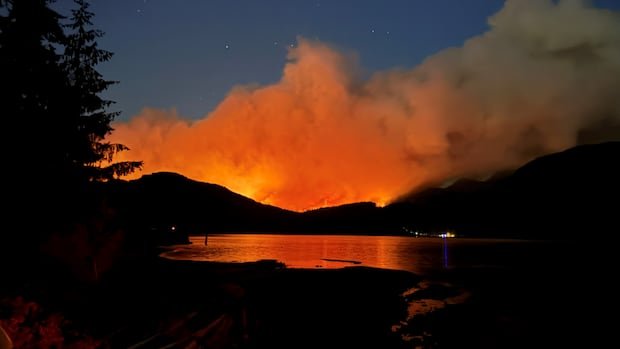
Wildfire experts predict that while the beginning of the wildfire season in Canada may be relatively quiet, ongoing drought conditions and a warm summer could lead to another severe year. Mike Flannigan, a wildfire expert, believes this year will be crucial in determining if Canada’s wildfire seasons, influenced by human-caused climate change, have shifted to a new norm of consistent severe fire years.
Flannigan notes that traditional predictions for quiet and bad fire years may no longer apply at a national scale, with most years likely turning out to be challenging for wildfire management. While exact forecasts for the upcoming wildfire season are uncertain due to unpredictable factors like fire ignition and weather conditions, indicators suggest potential risks ahead.
Parts of Canada, including wildfire-prone regions like British Columbia’s southern Interior, northern Manitoba, and eastern Northwest Territories, started the season with abnormally dry or drought-stricken conditions. Forecasts indicate above-normal temperatures for many parts of Canada over the next few months, with the possibility of an El Niño event occurring in the summer.
Despite some areas showing early signs of wildfire-conducive conditions, much of the country benefits from a deep snowpack left by a stormy winter, especially in northern regions. Richard Carr, a wildfire research analyst, points out that, as of April, there are no significant signs of unusual wildfire activity across most of Canada.
Canada is entering the wildfire season following three consecutive severe fire years, attributed to accelerating climate change. The warmer climate is intensifying wildfire seasons, with forests becoming more susceptible to ignition due to increased dryness. Additionally, managed forests in Canada are releasing more carbon than they absorb, contributing to the climate crisis.
Extreme wildfire events, like fire-generated thunderstorms, are becoming more frequent, posing significant challenges for firefighting efforts. The impact of wildfires extends beyond immediate destruction, affecting public health through smoke exposure and potential long-term health consequences.
To mitigate wildfire risks, experts emphasize the importance of remaining vigilant, especially in spring when potential fire fuels are abundant. Simple precautions like properly extinguishing campfires and being cautious in fire-prone areas can help reduce the risk of wildfires during the season.