
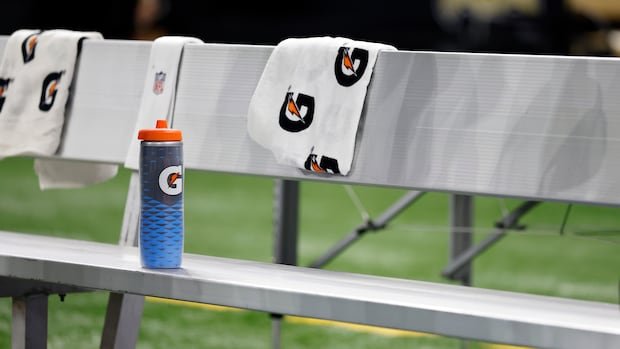
Gatorade, the pioneer of sports drinks six decades ago, is shifting its focus beyond athletes, aiming to appeal to a broader consumer base. PepsiCo, the brand’s parent company, announced its intention to target non-athletes seeking hydration solutions for various everyday activities. The new packaging emphasizes the functionality and research behind Gatorade’s drinks and powders.
This strategic move aligns with the growing trend among U.S. consumers towards beverages offering perceived health benefits. Research by Mintel’s food and drink analyst, Jack Doggett, reveals that 60% of sports drink buyers are not athletes but seek the functional ingredients such as electrolytes and carbohydrates for hydration and energy.
The demand for sports drink mixes has surged, with a nearly 20% increase in unit sales for brands like Liquid I.V., Skratch Labs, and Gatorade in the year ending March 22. In contrast, bottled water sales remained stagnant during the same period.
The influx of new sports and hydration brands on store shelves has intensified competition in the market. PepsiCo’s U.S. beverages president, Mike Del Pozzo, noted the entry of 150 new brands in recent years, posing challenges and credibility pressures. Gatorade plans to differentiate its products by clearly labeling those that offer superior or faster hydration than water, introducing innovations like Gatorade Longer Lasting.
This shift mirrors similar strategies adopted by competitors like Coca-Cola’s Powerade and Unilever-acquired Liquid I.V., which have expanded their offerings to cater to non-athletic consumers. The evolving landscape necessitates beverage companies to articulate their unique value propositions amidst consumers’ growing health consciousness and diverse choices.
Gatorade’s inception in 1965 stemmed from addressing athletes’ electrolyte needs, a legacy that continues to resonate. While products like Gatorade Thirst Quencher cater to athletes’ energy requirements, newer offerings like Gatorade Lower Sugar target health-conscious consumers. By introducing lower-sugar options and removing artificial colors, Gatorade aims to attract a wider audience, emphasizing the universal need for hydration.
Despite differing views on the necessity of sports drinks for non-athletes, companies like Gatorade continue to innovate to meet evolving consumer preferences. As the beverage market expands, clarity in product differentiation becomes paramount, guiding consumers in making informed choices tailored to their lifestyles and well-being.