
An analysis of fire records spanning six decades from the Canadian Forest Service reveals that Canada is experiencing wildfire seasons that are longer, larger, and increasingly destructive.
The findings indicate that this trend is not due to a rise in the frequency of fires, but rather a decrease in the number of wildfires that are growing in size and burning more land than before, corroborating a pattern previously identified by federal scientists.
In 2019, researchers at Natural Resources Canada released a study suggesting that wildfire activity throughout the nation had consistently increased since the mid-20th century, attributed to rising temperatures and extended fire seasons.
At that time, the observed pattern was inconsistent: certain areas experienced significant increases in land burned, while others remained stable or even saw declines. Fires caused by humans appeared to be diminishing, reflecting years of prevention efforts, and although the largest fires were increasing, they had not yet begun to dominate the national landscape.
The updated research, recently featured in the Canadian Journal of Forest Research, extends this analysis through 2024 using enhanced satellite mapping and includes data from nine additional fire seasons, which encompass several of the most extreme on record, including those in 2021, 2023, and 2024.
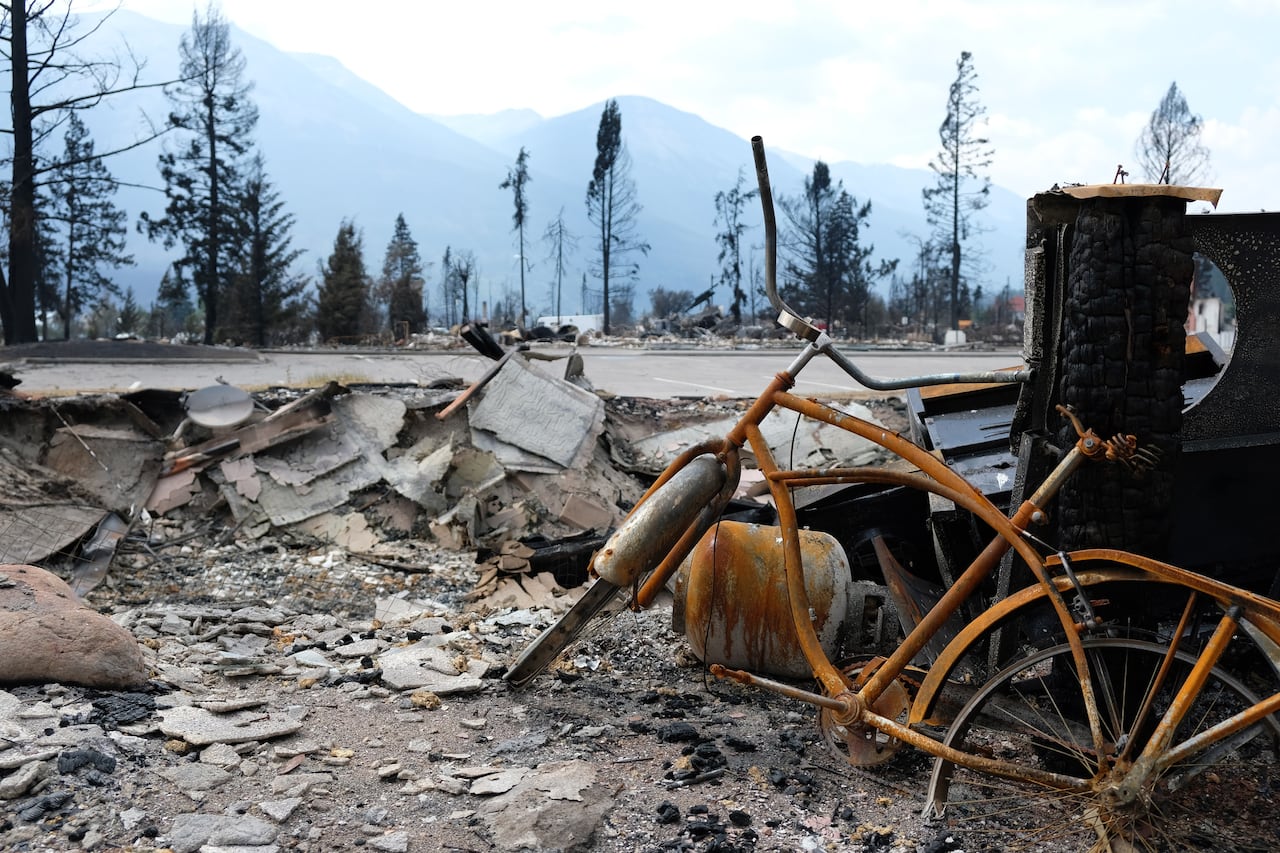
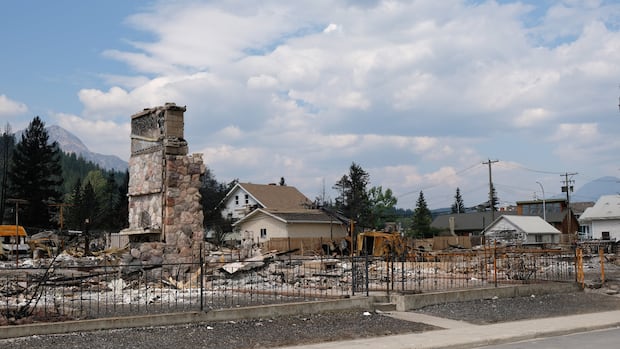
The townsite of Jasper, Alberta, about 365 kilometres west of Edmonton, was devastated by a wildfire that swept through on July 24, 2024, destroying 358 out of 1,113 structures. (Josh McLean/CBC)
The findings indicate that the area affected by wildfires is rising across nearly all Canadian eco-zones, including the Pacific Northwest and Atlantic Canada, regions that were previously considered lower risk due to their wetter climates but are now experiencing stable or increasing trends in fires.
The research also highlights that the largest wildfires are responsible for an increasing share of the damage caused. While lightning still ignites the majority of wildfires, incidents caused by humans have begun to rise again since the early 2000s — a change the authors attribute not to policy failures but to hotter, drier conditions that complicate the management of ignitions.
Confronting the inevitable
“I believe the rise in human-caused fires, especially the larger ones, is due to drier fuels,” stated Chelene Hanes, a research scientist at the Canadian Forest Service’s Great Lakes Forestry Centre in Sault Ste. Marie, Ontario.
Hanes is the primary author of both the 2019 and 2025 national studies examining long-term shifts in Canada’s wildfire patterns.
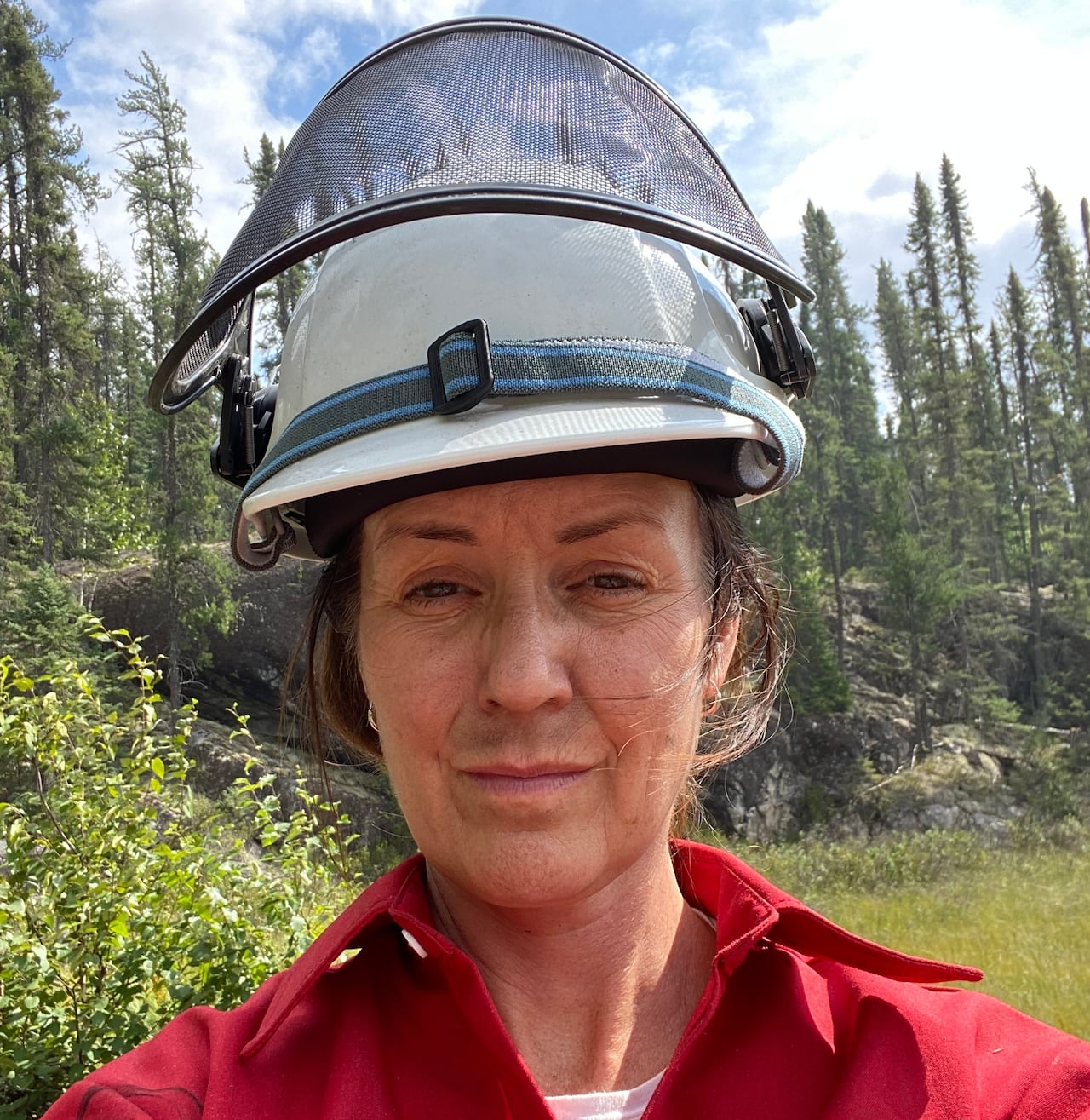
Chelene Hanes’s research aids forest firefighters in understanding how today’s wildfires differ due to climate change. (Submitted by Chelene Hanes)
She noted that the intensity and scale of the largest fires have reached a point where conventional firefighting methods are less effective, necessitating a shift in focus towards containment and protection rather than attempting to extinguish the fire entirely.
Hanes emphasized that the effects of the largest wildfire incidents are becoming increasingly apparent on a national level.
“They’re increasingly responsible for a larger share of the burned areas due to the extreme dryness,” she mentioned.
The dynamics described by Hanes are no longer abstract data points but have been visibly manifested in recent wildfire seasons across the nation.
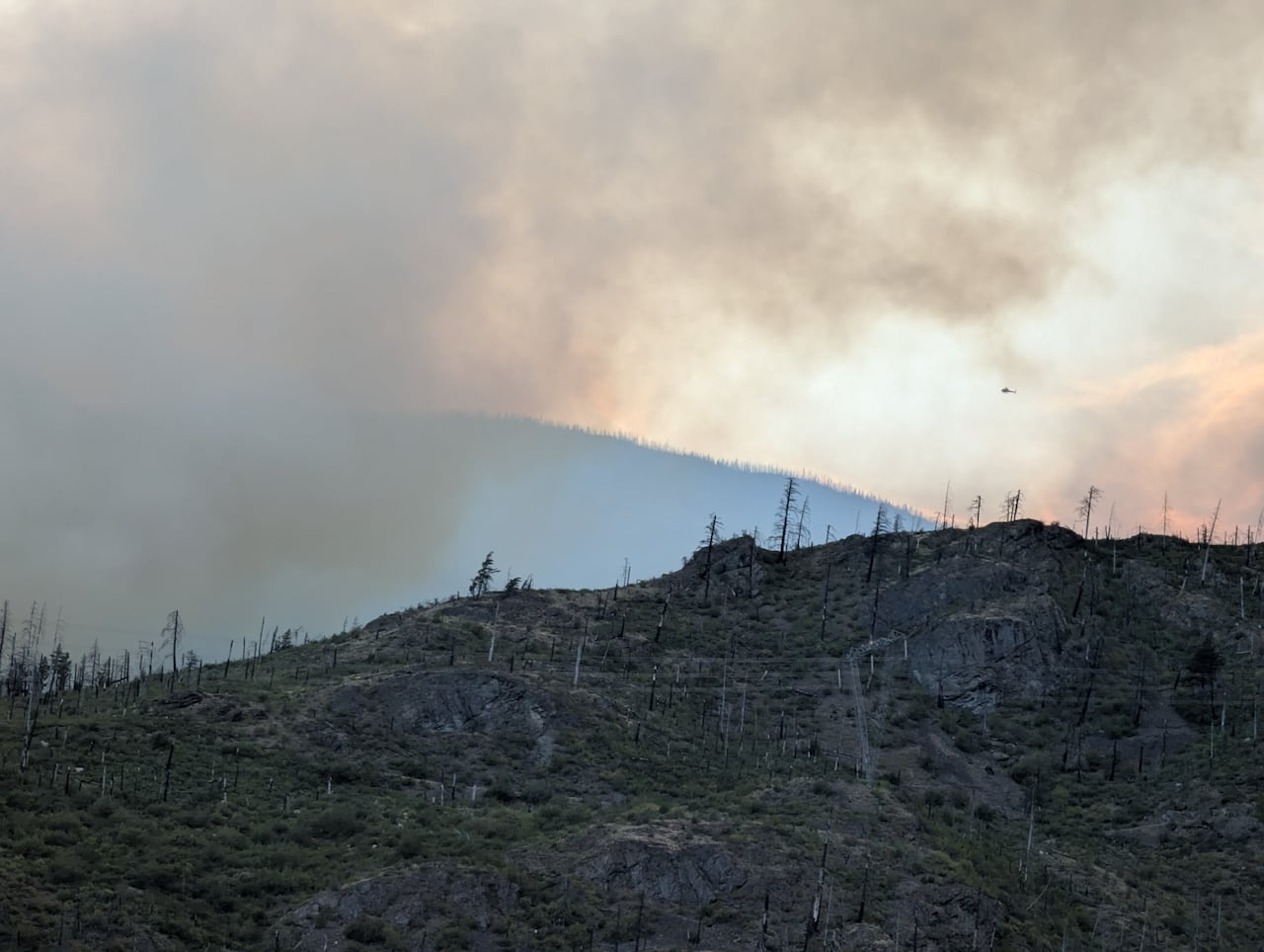
The region surrounding Lytton, B.C., has suffered from multiple wildfires over the years, as shown in this image taken on July 28, 2025. (Clément Llobet/Radio-Canada)
In July 2021, wildfires fueled by extreme heat and unprecedented temperatures ravaged British Columbia, notably obliterating the village of Lytton, which had just recorded Canada’s highest-ever temperature at 49.6 C.
The 2023 wildfire season was widely recognized as the most catastrophic in Canadian history, burning over 15 million hectares and leading to extensive evacuations and significant air quality issues across Canada and into the United States.
In 2024, a wildfire in Jasper National Park in Alberta caused the evacuation of around 25,000 individuals, destroyed numerous buildings, and became one of the most expensive disasters in the country that year.
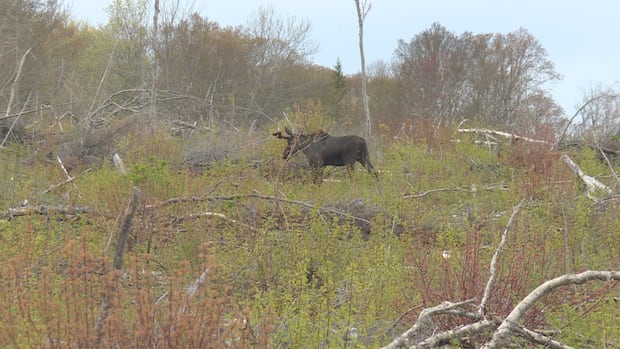
While some wildlife flourish when the boreal forest burns, experts assert that climate change and human activities have intensified wildfires, worsening the adverse effects on certain species.
Evaluating fire risk
The evolving wildfire landscape is also impacting Canada’s insurance sector, which warns that the heightened risk of wildfires is altering losses, premiums, and long-term housing decisions nationwide.
“As an industry, we assess risk, and we have observed an uptick in natural disaster risk across Canada — particularly in areas prone to wildfires,” stated Liam McGuinty, vice-president of federal affairs at the Insurance Bureau of Canada.
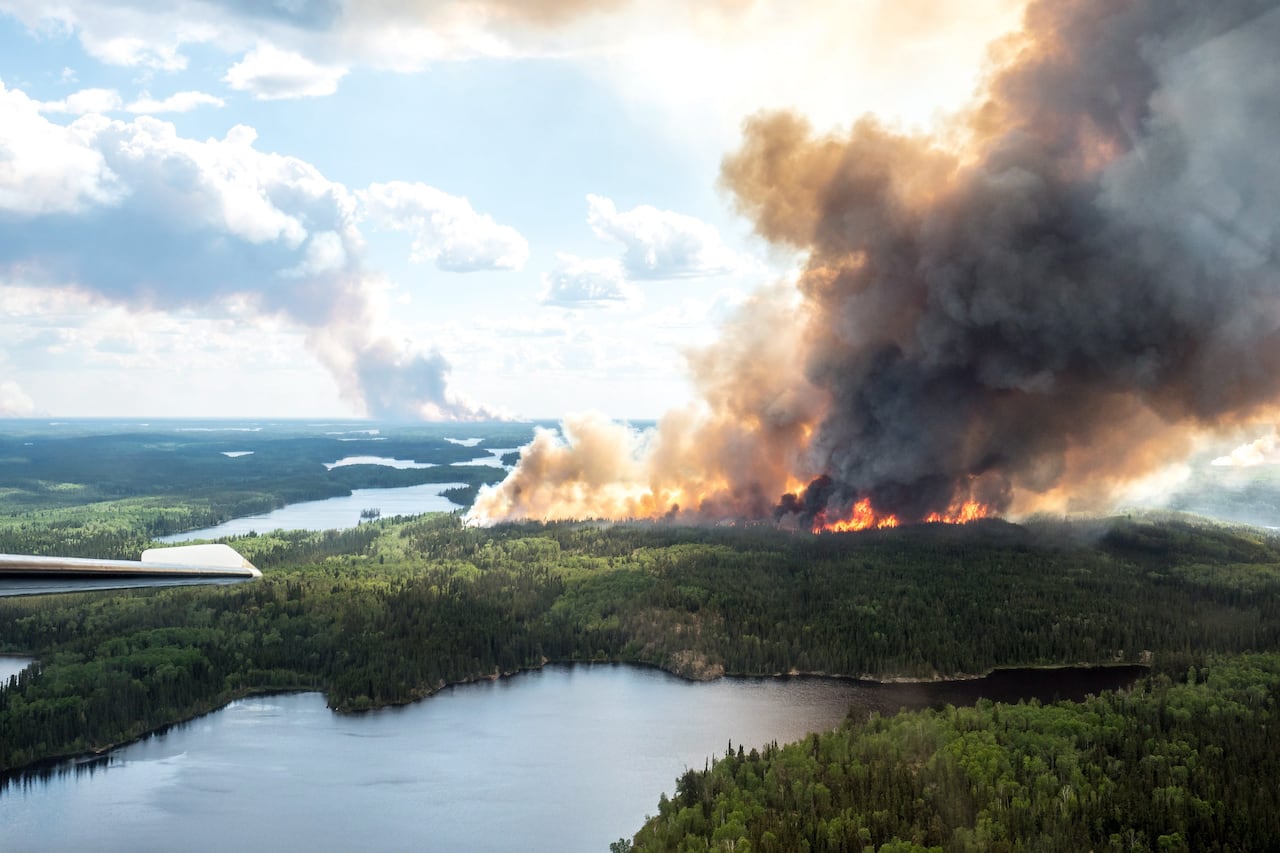
Smoke and flames billow from a forest near La Ronge, Saskatchewan, in this photo taken on July 1, 2015. (Saskatchewan Ministry of Environment/Wildfire Branch/The Canadian Press)
McGuinty noted that from 2005 to 2014, insurance losses due to wildfires averaged around $70 million annually; in the last decade, this average has surged to approximately $750 million — marking a 1,000 percent increase in just over ten years.
In response, the industry is modifying how it assesses coverage in the most vulnerable communities, which may result in higher premiums or alterations to policies as insurers manage their overall risk, he explained.
-
What insurance statistics reveal about the increasing severity of wildfires
-
Why certain Canadian insurance firms are deploying wildfire tactical teams
“Our responsibility is to evaluate risk,” McGuinty remarked, pointing out that in regions of Canada more susceptible to wildfires, insurers have had to implement “changes to insurance policies.”
He stressed that wildfire coverage is still a component of standard home insurance policies in Canada and that such coverage is “widely accessible,” adding, “The situation here is not comparable to California,” referencing how major insurers stopped offering or renewing policies in high-risk wildfire zones in the state following repeated catastrophic losses.