
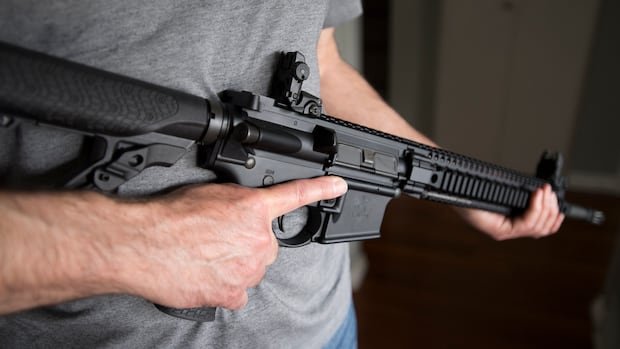
The Canadian government has announced the latest phase of its national gun buyback initiative, giving citizens approximately two months to express their desire to participate and receive compensation for surrendering prohibited firearms. Ottawa has prohibited around 2,500 types of firearms deemed as “assault-style,” contending they are military-grade and not suitable for hunting or sports.
Public Safety Minister Gary Anandasangaree emphasized the voluntary nature of the compensation program but stressed the obligation to comply with the law. The declaration period opens on Monday and extends until March 31, allowing Canadians to submit declarations online or via paper forms.
Compensation payouts will occur within 45 business days of confirming the outlawed firearm. The allocated funding amounts to $248.6 million, covering the buyback of roughly 136,000 banned firearms from individuals. Failure to declare participation before the March deadline excludes firearm owners from the program and compensation eligibility.
Compensation distribution will follow a first-come, first-served basis, depending on the declaration submission date and fund availability. The amnesty grace period for possessing banned firearms will conclude on October 30, 2026, beyond which non-compliant individuals risk legal repercussions.
Those opting out of the buyback program can choose to deactivate, surrender to local authorities without compensation, or export their firearms at personal expense. Businesses with prohibited firearms will have an opportunity to participate in the buyback program once the individual declaration process concludes.
Despite some resistance from gun owners and political parties, the government stands by the buyback program’s public safety benefits. Critics, including the Canadian Coalition for Firearm Rights, argue against the initiative, labeling it as costly and ineffective. The program’s opponents urge a broader compensation scope and emphasize focusing on crime reduction strategies.
Anandasangaree reiterated the importance of removing assault-style firearms from communities to enhance public safety. Gun control advocates support the government’s efforts, citing the risks posed by such firearms in mass shootings and attacks on law enforcement officers.
A pilot project conducted in Nova Scotia last year collected fewer firearms than anticipated, leading to concerns about the program’s efficacy. The government faces challenges from provinces like Alberta and Saskatchewan, where opposition to the buyback program exists.
The ongoing national buyback initiative aligns with the government’s commitment to firearm regulation, aiming to enhance public safety and reduce the proliferation of banned firearms in Canada.