
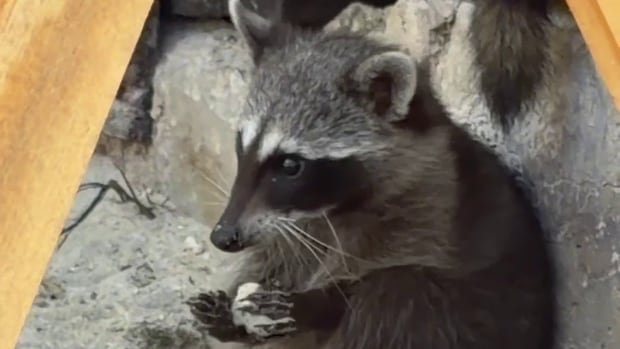
In a recent interview, biologist Nessie O’Neil shared a fascinating discovery about endangered Mexican pygmy raccoons. O’Neil, a researcher at Miami University in Ohio, was astonished when she witnessed a pygmy raccoon crafting a toy ball out of trash for the first time. This behavior, captured on video, led to a significant scientific revelation.
Upon showing the footage to her advisor, O’Neil was advised to refrain from sharing it on social media as they planned to document this intriguing behavior in a scientific paper. The study, now published in the journal Wild, highlights how these small Mexican raccoons engage in crafting toys from scavenged materials and pass on this knowledge within their family group.
This observation marks the first documented evidence of “material culture” within the Procyonidae family, which includes raccoons and related species. O’Neil noted that while raccoons are known for their playful nature, this unique toy-making behavior had not been observed before.
Pygmy raccoons, a critically endangered species exclusive to Cozumel Island in Mexico, face threats due to habitat destruction caused by tourism development. As their natural environment diminishes, these raccoons have resorted to scavenging for food in tourist areas and garbage bins.
During her research, O’Neil witnessed a juvenile raccoon creating a toy ball out of a paper receipt found in a trash can. The raccoon skillfully manipulated the paper, shaping it into a ball before engaging in playful behavior, reminiscent of a cat with a toy mouse.
The study also highlighted instances where family members learned and replicated this toy-making behavior, indicating social learning among pygmy raccoons. Despite some comical instances, such as a mother raccoon struggling due to a margarita-induced lack of dexterity, the behavior showcased a level of creativity and foresight.
Benjamin Beck, a co-author and retired scientist, emphasized the novelty of this behavior, noting that while animals playing with objects is common, the act of crafting one’s toy is a distinctive behavior. The researchers also observed social play among the raccoons, further adding to the intrigue of their behavior.
However, Beck cautioned against immediately labeling this behavior as cultural, citing the need for more extensive research to confirm intergenerational learning patterns before attributing it to cultural practices.
The study sheds light on the challenges faced by pygmy raccoons, with only around 200 individuals remaining in Cozumel. Habitat destruction and reliance on human scraps have led to malnourishment among these raccoons, impacting their survival.
O’Neil hopes that this research will raise awareness about the plight of pygmy raccoons and encourage changes in human behavior, particularly among tourists. She emphasized the importance of respecting wildlife and preserving their habitats, urging people to refrain from feeding or offering harmful substances to these creatures.
The unique behaviors observed in these pygmy raccoons serve as a poignant reminder of the delicate balance between human activities and wildlife conservation.