
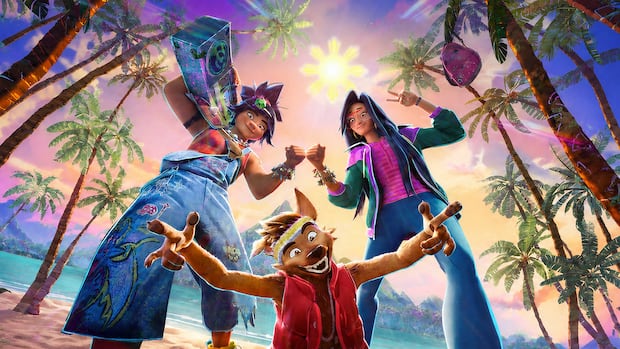
Filipino Canadian Tricia Serdon spent her childhood immersed in Disney films, always hoping to see a princess who resembled her, but she never found one.
That experience shifted with the release of Forgotten Island.
Serdon, a marketing coordinator based in Toronto, remarks, “I believe it serves as a wonderful tribute to Filipinos.”
Launched on September 25 and produced by Dreamworks Animation, this movie marks the first significant Hollywood animated film to center Filipino culture and mythology. It narrates the story of Jo and Raissa, two childhood friends whose lives take different directions when Raissa departs the Philippines for college in the United States, while Jo remains home.
As the friends grapple with their separation, they find themselves pulled into Nakali, a fantastical realm filled with supernatural beings, drawing upon folklore that has been shared in the Philippines for generations. The term “Nakali” cleverly derives from nakalimutan, which translates to “forgotten” in Tagalog.
While the film draws from ancient legends, its world is a creative reinterpretation rather than a straightforward retelling.
A rich, lesser-known mythology
Nakali is not a conventional entity from Filipino lore. Within the film, it serves as a conceptual gateway into the mythology itself—an arena where Jo and Raissa encounter narratives, beings, and memories passed down through generations.
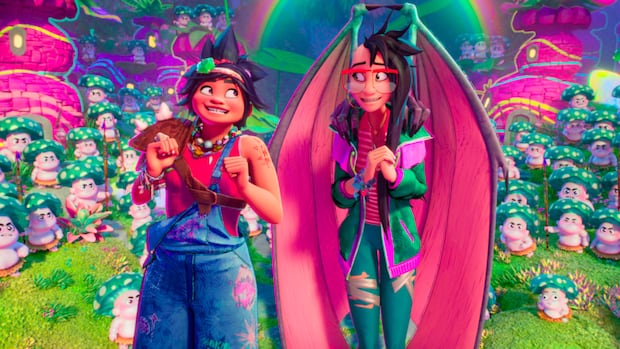
Included in their journey are the manananggal, a vampire-like creature that can detach its upper body and soar through the night, and the kapre, a large, bearded giant residing in the woods.
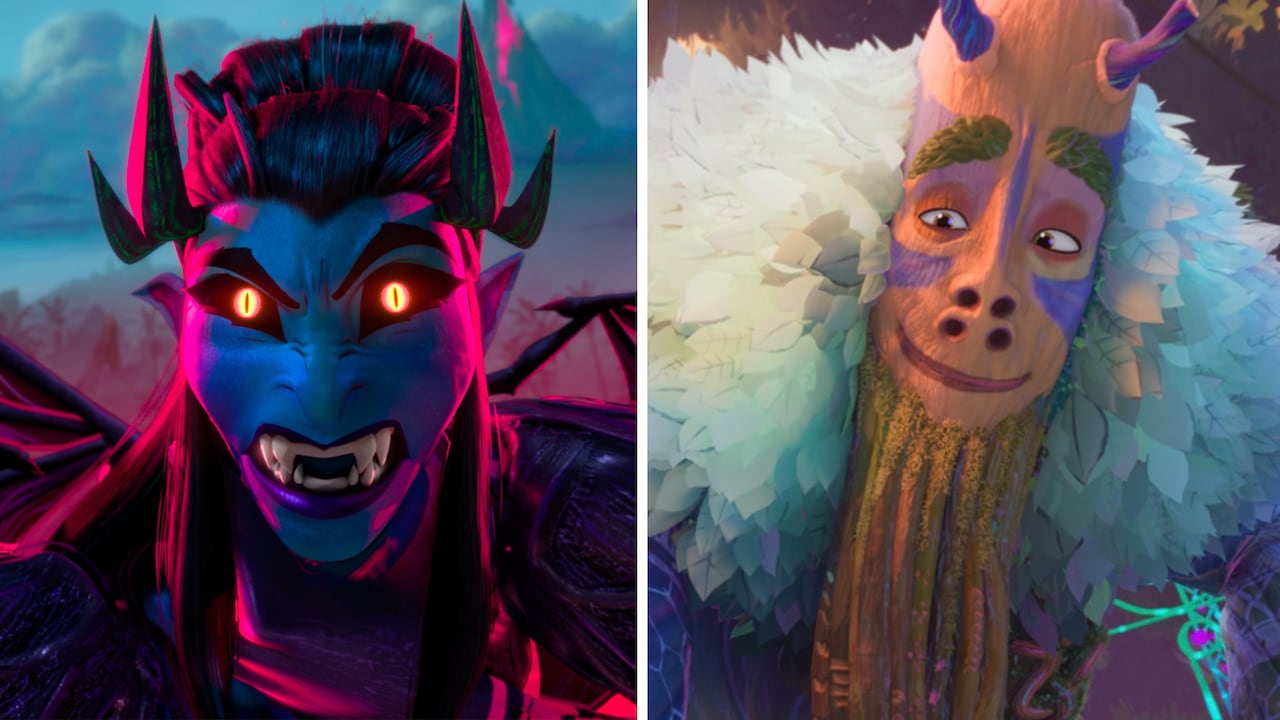
The supernatural beings featured in Forgotten Island include the manananggal (left), a vampiric figure voiced by Filipino singer and actor Lea Salonga, and the kapre (right), a dark giant from the forest voiced by comedian Jo Koy. (Universal Pictures)
Serdon, who hails from the Philippines, recalls hearing tales about these entities during her upbringing. She expressed that witnessing them come alive on the big screen was both exhilarating and profoundly personal.
“The authenticity really impressed me,” she shared with CBC News. “Often, details get lost in translation, or the pronunciation isn’t quite right. However, this film managed to capture it exceptionally well.”
The co-directors, Januel Mercado, a Filipino American, and Joel Crawford, have long aspired to create a narrative that reflects Filipino culture.
“We aimed to tell a Filipino narrative or produce a film set in the Philippines. We thought, ‘They have such a rich mythology,'” Mercado remarked. “And that is something we rarely see.”
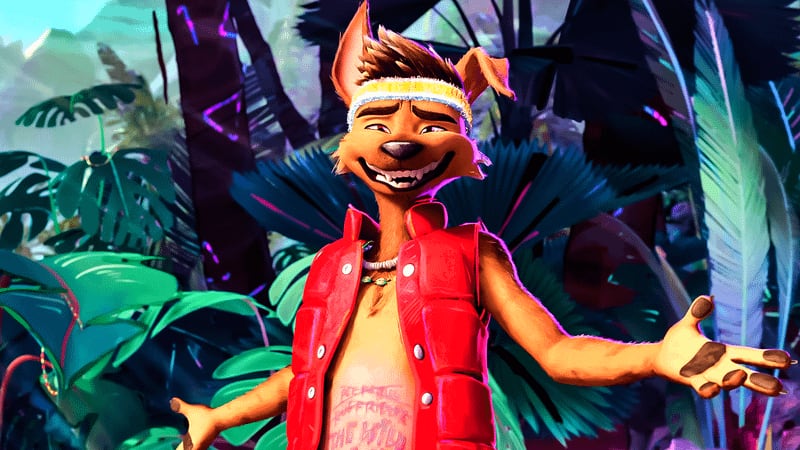
Raww, the weredog, is voiced by actor Dave Franco. Co-director Joel Crawford mentions that Raww’s transformation symbolizes growing up and finding one’s identity. (Universal Pictures)
Crawford elucidates that the creatures depicted in the film serve as symbols for the emotional challenges faced by the characters, citing the weredog as a prime illustration.
A Filipino weredog is a legendary being that shifts from human to a large, formidable dog during the night. It is categorized as a type of aswang, a predatory monster.
According to Crawford, the creature’s involuntary change mirrors the uncertainties of adolescence and the quest for self-identity.
“In this coming-of-age tale, we liken it to puberty,” he explained. “We can use this uniquely specific creature, the weredog, to explore the question, ‘Is he a human? Is he a dog? Is he a weredog?'”
With the assistance of his companions, the character gradually begins to grasp his identity.
Mercado confesses that the film merely touches on the surface of the Philippines’ extensive lore. He recalls earlier drafts that were “overloaded” with creatures, ultimately choosing to focus on storytelling rather than mere spectacle.
The filmmakers aspire for the movie to motivate viewers to explore more Filipino narratives and encourage other Filipino artists to share their interpretations with global audiences.
Familiar rhythms of family life
Apart from the enchanting elements, the film also captures the comforting patterns of Filipino family life.
One scene illustrates a gathering with young children playing while relatives ensure everyone has enough to eat. Karaoke fills the air, and titas and titos—aunts and uncles—exchange jokes and observations.
For many viewers, this provides a rare depiction of Filipino culture characterized not by struggle, but by joy, music, and cuisine.
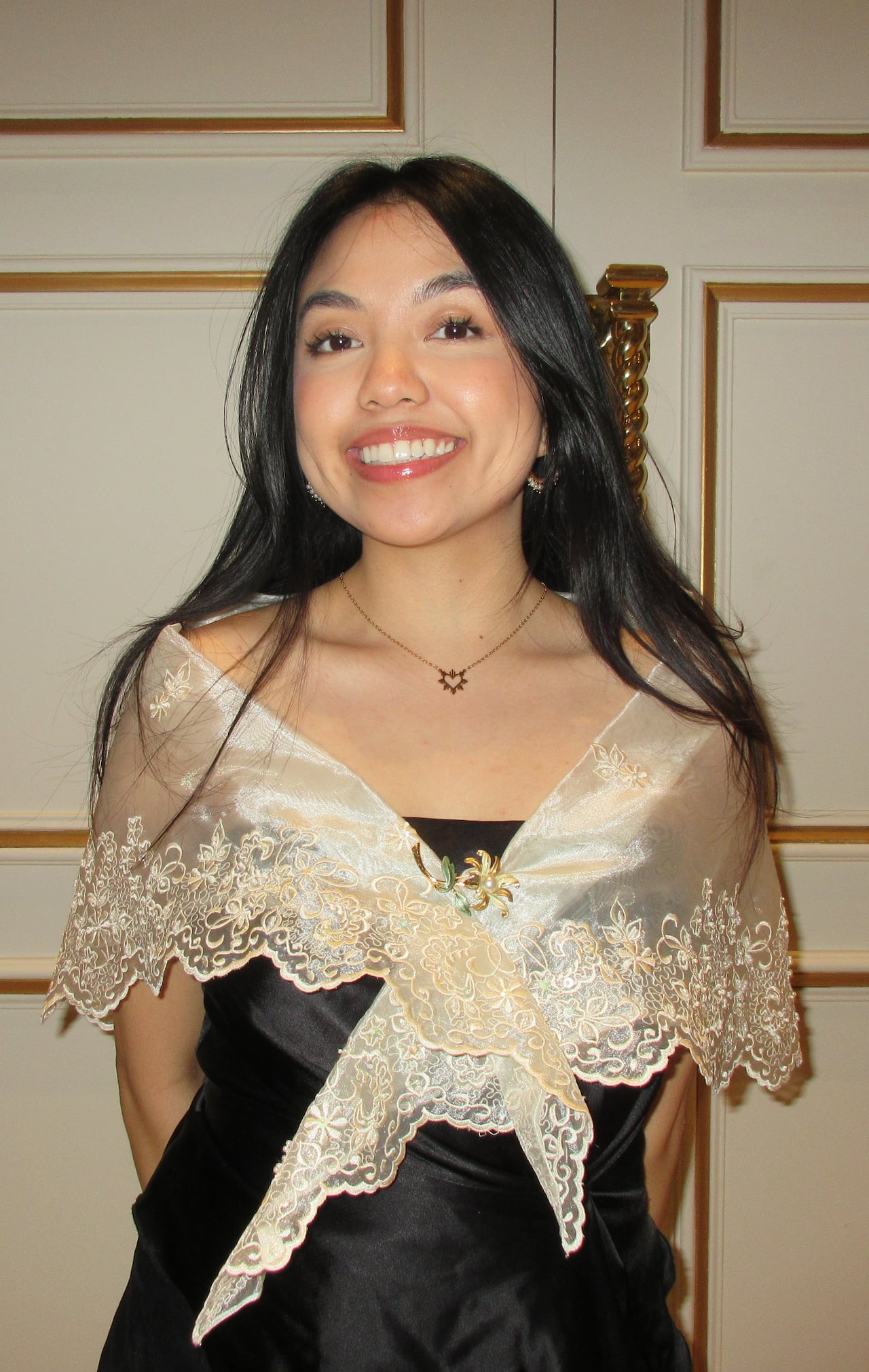
Filipino Canadian Tricia Serdon is seen in a María Clara gown, a traditional attire worn by women in the Philippines. (Submitted by Tricia Serdon)
Serdon stated that she was emotionally moved by a strong sense of familiarity within the initial moments of the film, particularly touched by a scene in which Jo’s lola, or grandmother, consoles her after she receives troubling news.
She also identified with the friendship central to the film. Like Raissa, many Filipinos migrate abroad in search of new opportunities, often leaving behind family and friends.
“In the Philippines, you grow up surrounded by the same classmates until graduation,” she reflected. “I miss my childhood friends back in the Philippines, and I relate to the friendship depicted in the film so much that I wish I could have experienced it alongside my childhood friends who are still there.”
Pop culture critic Rachel Ho asserts that such cultural specificity is what renders the film universally relatable. “It enhances the authenticity of the storytelling,” she remarked to CBC News.
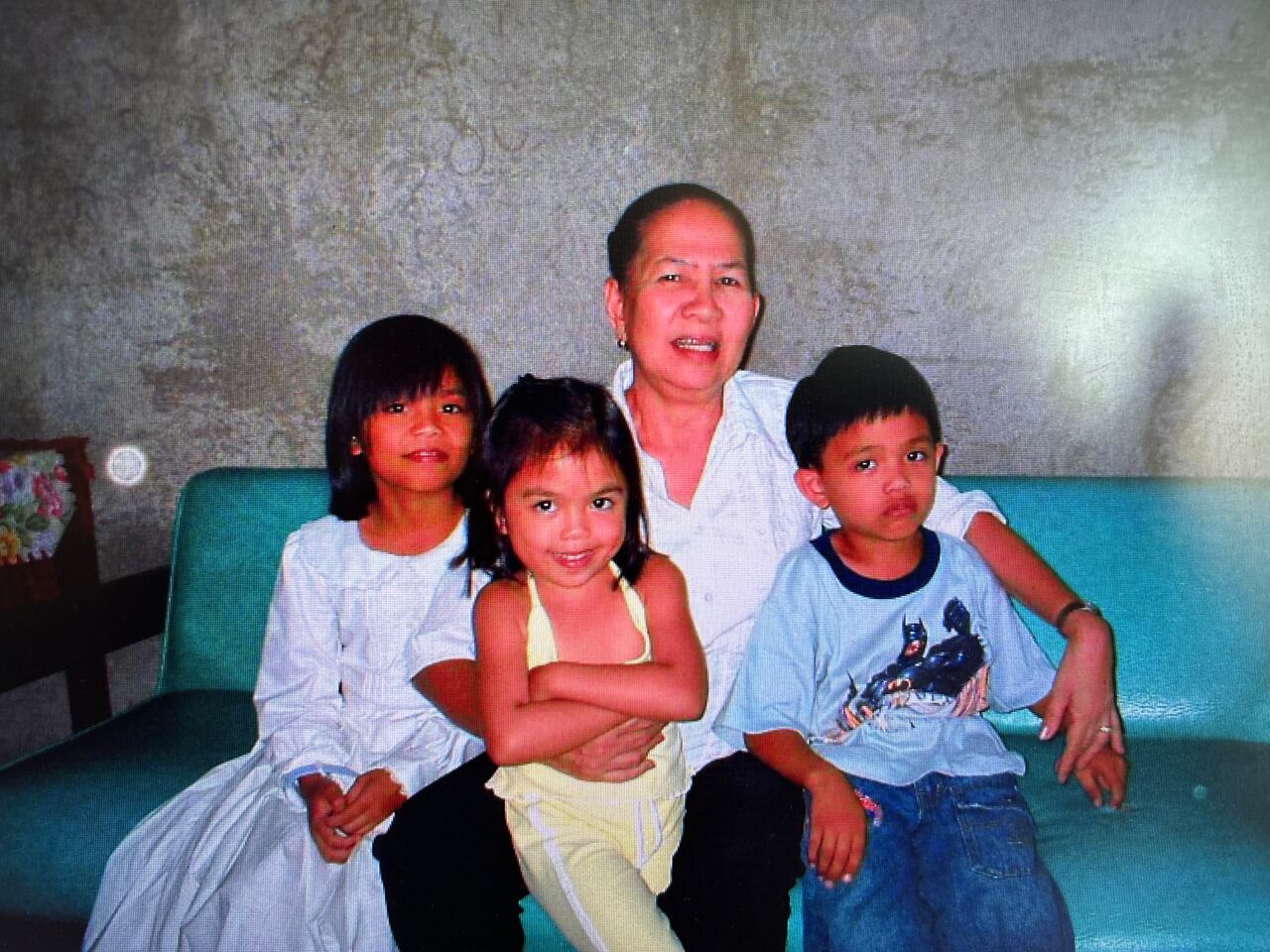
A young Tricia Serdon, center, is seen with her siblings and lola, behind her, in the Philippines. (Submitted by Tricia Serdon)
Behind-the-scenes representation
The film’s focus on representation extended to its production crew as well. The voice cast showcases an impressive array of Filipino talent, featuring stars like H.E.R. and Liza Soberano, singer Lea Salonga, alongside actors such as Manny Jacinto and comedian Jo Koy.
Snipple Animation, based in Manila, was responsible for the 2D animated flashbacks.
“It was essential for us to include as many Filipino artists, Filipino Americans, and local talent from the Philippines in this project,” Mercado emphasized.
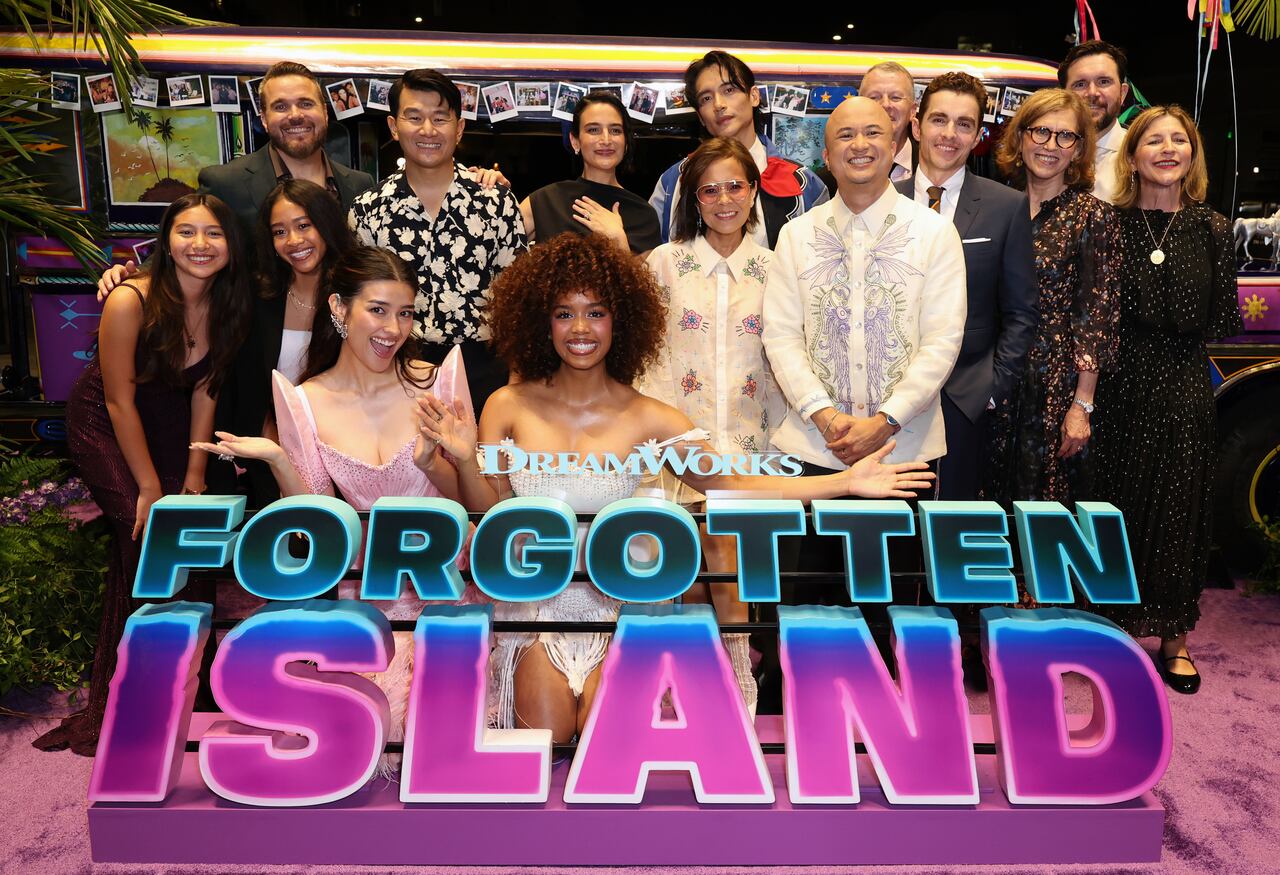
The cast and crew of Forgotten Island gather for a photo during the film’s premiere in Los Angeles on September 23. (JC Olivera/Getty Images for DreamWorks Animation)
Michaelangelo Masangkay, co-founder of the Siné Institute, a non-profit organization in Toronto advocating for Filipino cinema and filmmakers, stresses the importance of representation extending beyond the screen.
“It’s essential for us to be included in that decision-making process, allowing us to advocate for authentic narratives,” he stated.
Stars Liza Soberano and H.E.R., along with directors Januel Mercado and Joel Crawford, reflect on Forgotten Island’s themes of friendship, family, ambition and Filipino mythology at the animated film’s premiere in Los Angeles.
Reflecting on her childhood pursuit of a Disney princess that resembled her, Serdon wishes for the next generation of young Filipinos to have an easier time finding relatable characters.
“When it comes to Halloween costumes, I want kids to be inspired … they can dress up as Raissa and Jo or even as a manananggal if they want a more villainous character,” she joked.
This is the promise that Forgotten Island leaves behind—not only that Filipino audiences will finally see their reflections on the screen, but also that the next Filipino story won’t have to wait long to be told.

The animated movie Forgotten Island takes audiences into a fantasy world full of supernatural beings from Filipino folklore. As Christine Pagulayan tells us, it’s also about family, friendship and the heartache of leaving home.