
Nuclear fusion breakthroughs by Canada’s General Fusion and China’s EAST reactor have stirred excitement about the potential of clean energy to meet the increasing power demands arising from AI and electrification. The emergence of new fusion startups globally, attracting significant private investments, underscores the growing interest in advancing fusion technology.
Nuclear fusion, a long-studied method of harnessing clean and abundant energy, involves the fusion of atomic nuclei to produce energy without generating radioactive waste. This process, akin to the fusion powering the sun, holds promise for sustainable energy production on Earth using hydrogen as fuel.
Recent achievements in nuclear fusion have garnered attention, with China’s EAST reactor achieving a significant milestone in stabilizing plasma at higher densities. Similarly, General Fusion’s breakthrough in neutron production has been highlighted, marking progress in fusion technology. These developments, though incremental, signify steps towards realizing commercial fusion reactors.
Global interest in fusion technology has surged, driven by concerns over climate change and the need for reliable energy sources. Private investments in fusion startups, including notable contributions from tech giants and energy companies, indicate a growing confidence in the feasibility of fusion energy. Industry experts foresee fusion contributing to the grid by the 2030s, reflecting optimism about the sector’s potential.
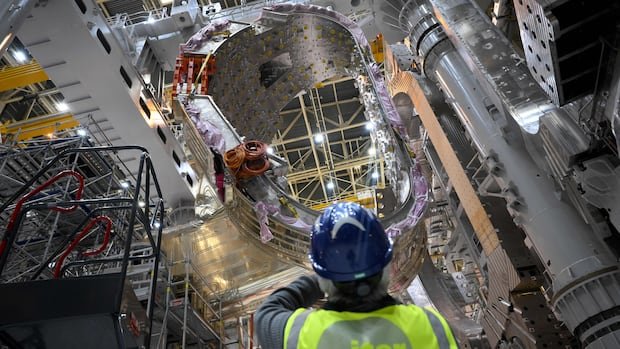
Despite advancements, challenges persist in achieving sustainable fusion energy. The construction of large-scale fusion reactors, such as ITER, aims to address the energy output requirements for practical applications. However, technical hurdles, including reactor durability and fuel sustainability, need to be overcome before fusion power plants become operational.
Canada plays a significant role in advancing fusion technology, contributing expertise and resources to international fusion projects. The development of self-sustaining fuel systems remains a key focus, with efforts aimed at enhancing tritium production and reactor efficiency. Collaboration with global partners underscores Canada’s commitment to driving fusion research and innovation.
As the fusion industry progresses, the focus shifts towards cost-effectiveness and commercial viability. Efforts to streamline reactor design and leverage new technologies aim to reduce the economic barriers to fusion energy adoption. Private sector engagement, supported by government initiatives, is crucial in realizing the potential of fusion as a sustainable energy solution.
The fusion industry stands at a pivotal juncture, with stakeholders advocating for proactive measures to facilitate the transition to fusion energy. Awareness-building, supply chain development, and policy frameworks are essential components in paving the way for the widespread adoption of fusion technology and its integration into global energy systems.