
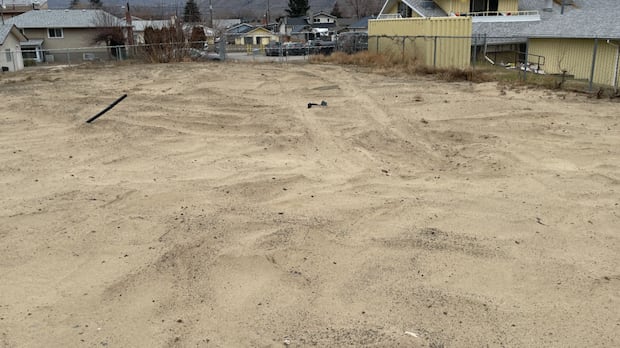
The finding of human remains on an undeveloped parcel of land in North Kamloops, B.C., is leading a local attorney to caution prospective property purchasers regarding the financial implications of archaeological discoveries.
The incident began last June when the landowner expressed a desire to establish a small garden on the vacant lot they had bought in 2004, intended for residents of a nearby seniors’ home.
“Within just two scoops of a backhoe operated by a contractor, two skulls were uncovered,” stated Christine Elliott, a commercial real estate attorney from Vancouver representing the property owner.
Elliott noted that all work was halted immediately, with both the police and the Tk’emlúps te Secwépemc First Nation being informed.
The following day, the First Nation released a statement affirming that the remains were ancestral and culturally significant, designating the site as sacred.
“For Tḱemlúps te Secwépemc, the discovery of ancestral remains is not a question of property or discussion; it is a matter of responsibility,” Kúkwpi7 (Chief) Rosanne Casimir remarked in a statement on January 20. “These are our ancestors, and our cultural protocols require us to treat them with dignity and respect.”
Archaeologist Joanne Hammond, who is not affiliated with this site, expressed that it is not surprising to uncover historical items in that region, despite it being a relatively developed area filled with homes and businesses.
“We’re situated on a sandy hilltop in the middle of a valley … where people have resided for 10,000 years, so if I were searching for a site, I would begin here,” she remarked.
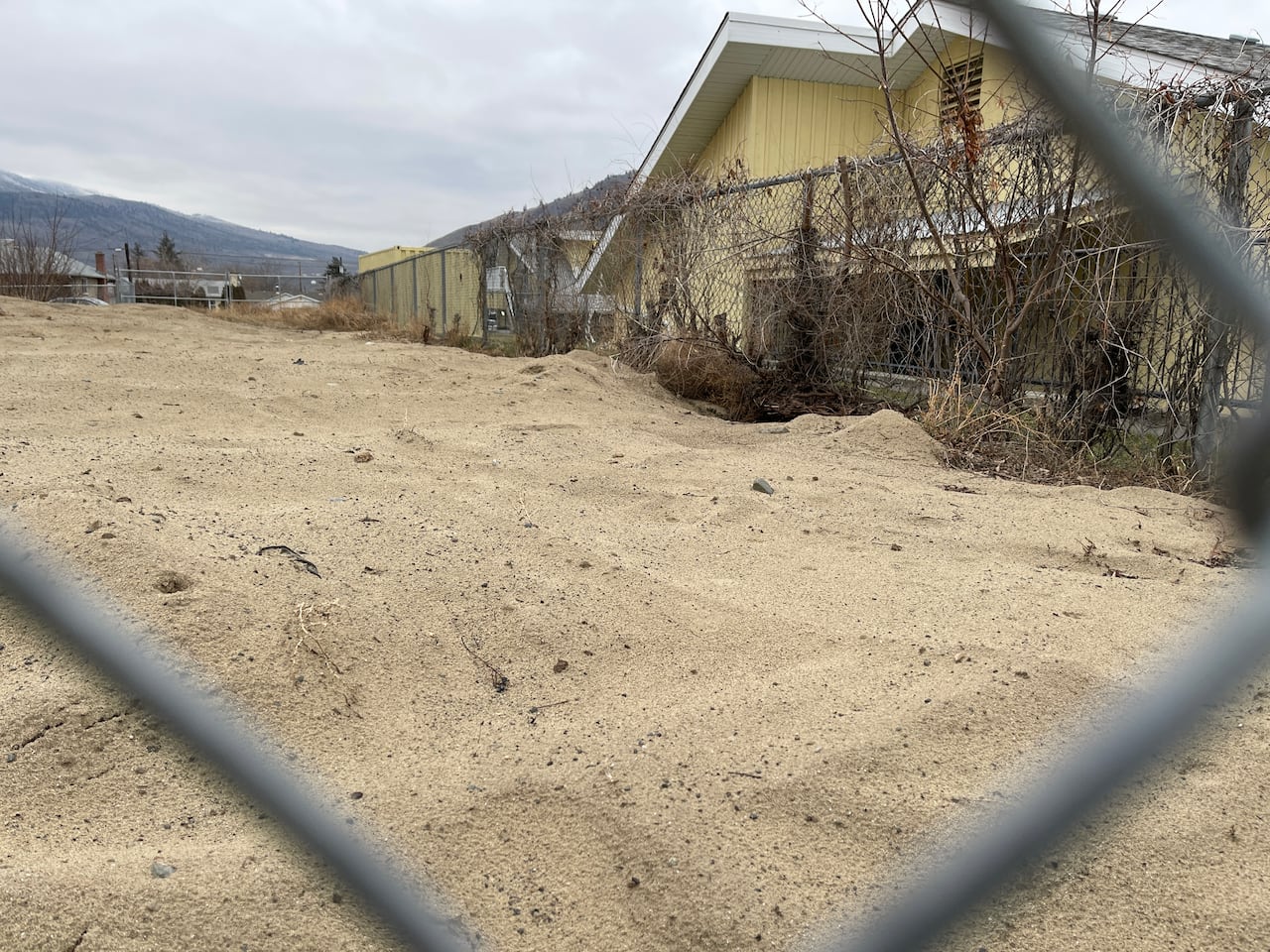
A sandy lot in North Kamloops, B.C., remains vacant several months after human remains were discovered during the property owner’s attempt to create a community garden. (Shelley Joyce/CBC)
Weeks passed, and Elliott faced difficulties in obtaining updates regarding the situation at the site.
Seven months after the initial discovery, Elliott reported that her client had accumulated over $130,000 in expenses linked to the matter—$50,000 for archaeological fees and $88,000 for legal costs—without any assistance available to recover these funds.
As the property owner continues to face mounting expenses, the future of the site remains unclear, Elliott added.
The province has stated that no significant archaeological work has been conducted at the site beyond an initial field reconnaissance survey, which it claims does not offer definitive evidence regarding the archaeological site’s extent.
Reforms in the Heritage Conservation Act
This is not the first instance in which a property owner has encountered delays and unforeseen expenses after discovering that their land may contain items of historical or cultural importance in B.C.; a CBC News report from 2010 highlighted a similar case on Vancouver Island, where a property owner incurred substantial archaeological fees after remains were discovered during the construction of a new home.
-
Family’s business dream destroyed over property’s archaeological significance
-
Grace Islet controversy ends as B.C. steps in to buy land
Casimir mentioned that First Nations have long advocated for changes to the Heritage Conservation Act, aimed at promoting the protection and preservation of “heritage property” in B.C.—a matter that, this week, Forests Minister Ravi Parmar indicated has been delayed.
She emphasized that this situation underscores the issues and confusion within the Heritage Conservation Act—particularly the insufficient sharing of information regarding archaeology in B.C. and the lack of support from the provincial government.
“As an archaeologist, it troubles me that it is so contentious for individuals to discover archaeological remains,” she stated.
What to do if you find remains or historical artifacts on your property?
If you or someone working on your property encounters something of archaeological or cultural importance, it is crucial to cease all work immediately and reach out to B.C.’s Archaeology Branch right away. The province also recommends contacting a nearby university’s archaeology or anthropology department, or consulting a professional anthropologist.
If human remains are discovered, it is advised not to disturb them. After notifying the Archaeology Branch, they will inform the coroner and local law enforcement, who will determine if the remains are archaeological. If they are, local First Nations will be consulted for further evaluation.
Who bears the costs for necessary work?
In short: the property owner is responsible.
“There is no one available to rescue you from the expenses you incur,” Elliott remarked.
The Ministry of Forests corroborated this, stating, “Costs can be reduced by taking prompt action and adopting a low-impact approach to development.”
They noted that the expenses related to this type of work can vary depending on the size and location of the property.
However, they clarified that Heritage Conservation Permits and information from the province are provided at no cost.
Can you prepare in advance?
Elliott recently learned about a RAAD search—short for Remote Access to Archaeological Data—that reveals information concerning B.C.’s archaeological sites. The B.C. Association of Professional Archaeologists recommends that realtors obtain this information for potential buyers.
While this information is not publicly accessible, you can submit a request form to gather information from the provincial Archaeology Branch.
“I do not consider purchasing land without performing a RAAD search,” Elliott stated.
Beyond that, be aware that if you dig and discover something, you may face substantial costs—and considerable delays.
When can you continue work on the property?
If an archaeological site is identified on your property, you must obtain an HCA (Heritage Conservation Act) Permit to resume work there. The permitting process can take several weeks, as the Archaeology Branch reviews applications and consults with affected First Nations before granting approval.
“Resolving matters like this can take a significant amount of time,” Hammond noted. “The processes in archaeology are often slow.”
Tag: rewrite-pending