
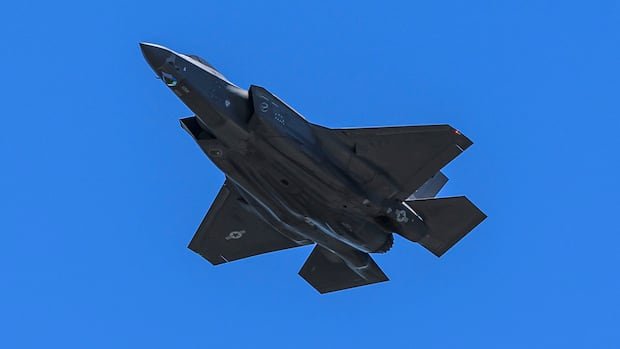
The Department of National Defence has initiated an internal probe into the unauthorized disclosure of sensitive information from the technical evaluation between the two fighter aircraft competing to replace Canada’s CF-18 fleet. A recent leak revealed data showing the Lockheed Martin F-35 had a substantial advantage over the Saab Gripen in the competition. This leak has sparked discussions on whether to opt for an entire fleet of 88 F-35s or a mixed fleet of F-35s and Gripens.
Andrée-Anne Poulin, a spokesperson for the Department of National Defence, emphasized the confidentiality of commercial information in solicitation processes. The investigation is in its early stages, and no further comments will be provided at this time.
Reported by the Ottawa Citizen, the 2021 competition focused on the capabilities of each aircraft in defending North America and their effectiveness in various missions against modern military forces. The F-35 scored 95% in military capabilities, earning 57.1 out of 60 points, while the Gripen-E scored 33%, totaling 19.8 points. The gap was notably significant in the categories of “mission performance” and aircraft upgradability over its lifespan.
In 2022, Lockheed Martin won the CF-18 replacement contract based on technical expertise, cost, and economic benefits. However, the government decided to reassess its F-35 procurement due to shifts in foreign and trade policies under the Trump administration. The final decision regarding the fighter jets remains undisclosed by the government.
Éric-Pierre Champagne, president of the Fédération professionnelle des journalistes du Québec, highlighted the importance of media freedom, especially considering the $27 billion F-35 contract. A security expert noted that the leak appeared to support F-35 proponents and exert pressure on the government to choose the F-35 over the Gripen. Wesley Wark criticized the lack of transparency in the competition criteria, calling it a propaganda effort by the leaker.
Former lieutenant-general Yvan Blondin described the competition details as militarily sensitive. He viewed the investigation into the leak as a message within the government rather than a pursuit of accountability for those responsible.