
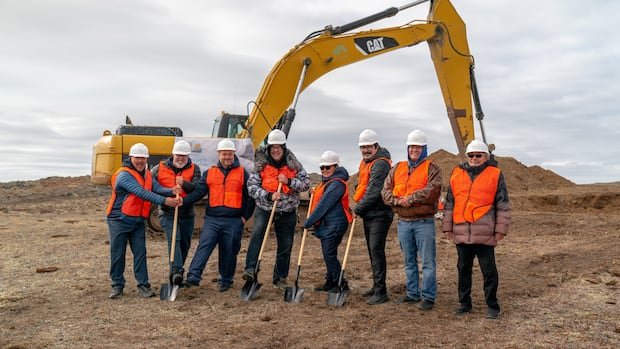
Quaqtaq, a village in Nunavik, is progressing towards achieving energy self-sufficiency by commencing the construction of a wind energy project. Tarquti Energy, a collaboration between the Makivvik Corporation and FCNQ-Ilagiisaq, is erecting a 3,000-kilowatt wind turbine for the community consisting of approximately 500 residents.
Carson Tagoona, the director of strategic communications at Tarquti, expressed optimism that this initiative would demonstrate the feasibility of constructing such infrastructure and highlight its numerous advantages. While Quebec aims to achieve net-zero emissions by 2050 with over 99% of its electricity sourced from renewables, most of Nunavik currently relies on imported diesel fuel, barring a hydroelectric venture in Inukjuak.
Navigating the challenges posed by the region’s severe climate, including logistical hurdles and the necessity for resilient technology, the team at Tarquti devoted significant effort to selecting an appropriate turbine. Tagoona noted the intricate balance required, as certain turbines struggle to withstand the strong winds prevalent in the North.
In a bid to expand clean energy initiatives across Nunavik, Tarquti is also overseeing a wind energy project in Puvirnituq, which, combined with the Quaqtaq turbine, is anticipated to fulfill approximately 60% of the electricity demands in both villages. This endeavor is projected to save 96 million liters of diesel fuel over a span of 25 years, as per Hydro-Québec estimates.
Beyond the transition from conventional fuels, the wind energy project represents a significant economic opportunity, fostering job creation and a burgeoning local economy. Emily He of the Pembina Institute emphasized the importance of community ownership in energy systems, highlighting the need for increased community involvement in shaping energy policies in northern regions.
However, concerns loom over the future of clean energy projects due to federal funding reductions, such as the phased withdrawal of the Low Carbon Economy Fund initiated in 2016 to incentivize emissions-reducing projects. He stressed the pivotal role of the federal government in supporting energy security and facilitating the transition to sustainable energy sources in remote communities.
Anticipated to be operational before 2029, the completion of the wind turbine in Quaqtaq signifies a pivotal step towards energy independence for the village, underlining the potential for clean energy projects to empower local communities.