
In a timely resolution just ahead of the holiday season, a deal was struck to prevent numerous medical clinics from shutting down and hundreds of doctors from leaving the healthcare system. However, as the dust settles on the agreement between the Quebec government and family physicians, the initial relief is giving way to probing questions regarding the true beneficiaries of the deal.
Though some clinics have halted their closure plans, health policy experts caution that the government’s concessions on their proposed health reform under Bill 2 could potentially disadvantage taxpayers and patients. Olivier Jacques, a professor at the Université de Montréal’s school of public health, observed that the agreement essentially maintains the status quo, raising doubts about whether patients are truly benefiting.
Similarly, Prof. Erin Strumpf, a health economist at McGill University, shares the sentiment that little has changed under the new deal, highlighting ongoing challenges in accessing primary care for Quebec residents. The negotiation process was characterized as a showdown between physicians’ union leaders and certain government officials, prompting Strumpf to question who is advocating for the Quebec public.
Doctors vehemently opposed the reforms, staging rallies and garnering attention with warnings of a potential exodus. Conversely, the Coalition Avenir Québec (CAQ) government struggled to effectively communicate the advantages of its reforms, ultimately losing the battle for public support, as noted by Jacques.
The ratified agreement in December signifies a retreat from the government’s initial reform proposals. Gone are the penalties tied to performance quotas, the color-coded patient vulnerability tracking system, and the prohibition on concerted doctor actions. In their place, the government has embraced an incentive-based plan, aiming to enroll 500,000 new patients, including 180,000 vulnerable individuals, by June 2026.
The agreement also enhances funding for telemedicine but comes at a significant cost, with a 14.5% increase in total remuneration amounting to $435 million. Additionally, the payment model is transitioning towards a capitation structure, where 50% of a doctor’s income will be tied to their patient roster size rather than solely fee-for-service.
The Fédération des médecins omnipraticiens du Québec (FMOQ), representing family doctors, views the agreement as a commitment to improving front-line care. The FMOQ stated that the deal enables family physicians to focus on delivering high-quality care to patients in Quebec.
At the grassroots level, clinics that were on the brink of closure have been granted a reprieve. The Tiny Tots pediatric clinic in Montreal’s Côte-des-Neiges, for instance, has found a way to remain operational after facing imminent shutdown. Georges Zaarour of District Medical in Ahuntsic, which witnessed the departure of nine doctors amid uncertainty, noted a noticeable improvement in the clinic’s atmosphere.
The concessions made were substantial enough to prompt a high-level political departure. Former Health Minister Christian Dubé, the architect of the original Bill 2, resigned from cabinet and the CAQ caucus following the deal announcement, expressing dissatisfaction with the government’s retreat from the reforms.
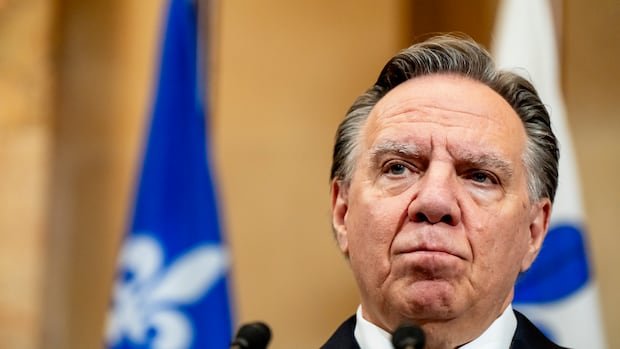
Premier François Legault defended the deal as a necessary compromise, emphasizing the significant remuneration revision. He touted the agreement as a win for doctors, the government, and most importantly, patients. Despite the progress, the province still needs to finalize a deal with medical specialists, with expectations of implementing the reworked agreement by the end of February.
The adoption of a capitation system could modernize doctor compensation and facilitate task delegation to nurses and pharmacists without financial repercussions. The final agreement’s impact will become clearer once it is enacted into law, determining whether the government’s incentive-based approach will deliver the promised triple-win outcomes or merely sustain the existing system.