
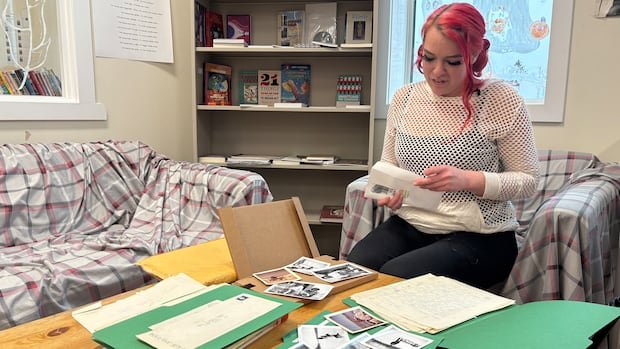
Valerie Grenier, a librarian, carefully handles a collection of letters and photographs exchanged between Dehcho Dene trapper John Tetso and Clare V. Molson. Grenier expresses her awe at the contents, which include handwritten letters, rough sketches, and various photographs showcasing Tetso in different settings such as in front of his cabin, working with a saw horse, and traveling by boat and dog team.
The letters, donated by Molson, are considered valuable source materials for Tetso’s 1964 autobiography, “Trapping is My Life,” one of the earliest accounts documenting Indigenous life in the Northwest Territories. These personal correspondences shed light on Tetso’s life and will be preserved for future generations in a memorial exhibit with the involvement of his descendants.
Tetso, a staunch advocate for bush life and Indigenous education, recognized the challenges faced by Indigenous peoples, including issues related to illiteracy and mistrust in agreements. He believed in the power of the written word to empower Indigenous communities and advocated for improved literacy among his peers.
The friendship between Tetso and Molson blossomed in 1962 when Molson encountered Tetso’s camp during her boat journey down the Deh Cho (Mackenzie River). Their bond grew stronger through the exchange of stories and gifts, symbolizing the connection between a trapper devoted to a simple life and a woman from a prominent family.
Tetso’s letters to Molson, written in cursive, reflect both factual and personal elements, capturing his reflections on bush life and the challenges he faced. Through anecdotes of survival and perseverance in the wilderness, Tetso shared his experiences of ingenuity and resilience, highlighting the harsh realities of life in the bush.
In his final dispatches before his passing, Tetso expressed gratitude for the memories shared with Molson, emphasizing the enduring impact of their correspondence. The letters serve as a poignant reminder of Tetso’s legacy and the profound connection between two individuals from vastly different backgrounds.
Overall, the donated letters and photographs provide a glimpse into Tetso’s remarkable life and his commitment to preserving Indigenous traditions and values.