
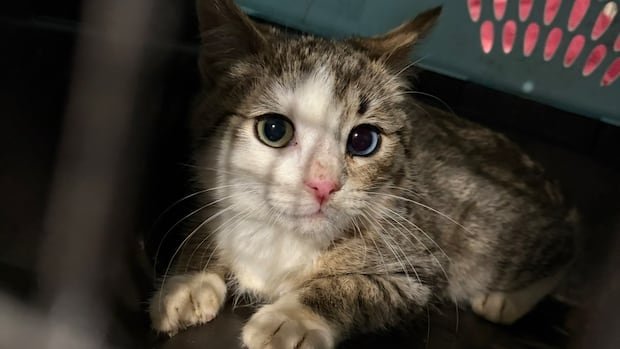
In a recent development, a group of cats rescued from a hoarding situation in rural Saskatchewan is showing signs of recovery and affection, according to a representative from the animal rescue organizations involved.
Ashlyn Weninger, president of SOS Prairie Rescue, mentioned that the rescued cats brought into foster homes are displaying positive behaviors such as seeking affection and interacting with their surroundings. This improvement indicates a shift from their initial withdrawn state to a more optimistic outlook on their future.
The rescue operation was initiated by Saskatchewan RCMP in response to a distress call on January 2 at a residence in Wynyard, located 175 kilometers southeast of Saskatoon. The house was found in deplorable conditions with accumulated garbage, biohazards, and other dangers. During a wellness check, authorities discovered a deceased individual, while another person was safely removed and provided with medical assistance.
Volunteers from various animal rescue groups, including SCAT Street Cat Rescue and Mozart Sympawthy Animal Sanctuary, worked tirelessly over two days to extract 36 cats from the premises, suspecting that more felines might still be hidden within the clutter. To navigate the hazardous environment, volunteers wore protective gear and utilized Vick’s Vaporub to combat the overpowering odor. The cats had created pathways through the accumulated waste within the house.
According to Caitlin Stickney, a board member at SCAT, hoarding is a prevalent mental health disorder that often goes unnoticed. The rescue teams are now actively seeking foster homes for the rescued cats, along with financial and food donations to support their care.
The challenging nature of hoarding cases underscores the need for increased awareness and resources to address the underlying issues leading to such situations. Weninger emphasized that individuals struggling with hoarding behavior often lack the necessary support and resources, resulting in their distressing living conditions being overlooked until they reach a critical state.
The rescued cats, many of whom were found in distressing conditions with physical ailments and signs of malnourishment, are undergoing quarantine and rehabilitation before being placed in foster homes. This process involves ensuring their health and acclimating them to a safe and nurturing environment.
Despite the heart-wrenching circumstances encountered during rescue operations, volunteers remain committed to providing support and care to both animals and individuals affected by hoarding situations. Stickney highlighted the financial strains faced by animal rescue groups due to funding cuts, emphasizing the ongoing need for community support to address these complex challenges effectively.