
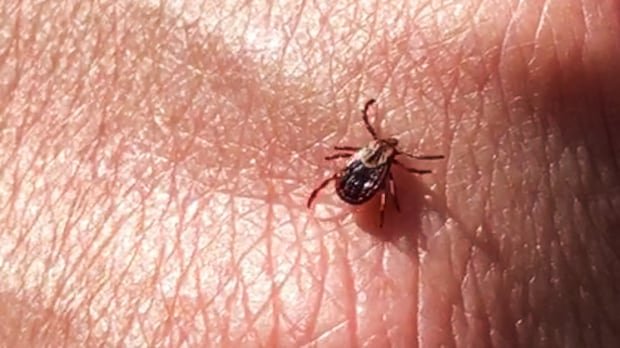
Wayne Uhlman from Lunenburg County felt extremely tired during his recent doctor visit, experiencing shivering and tremors in his hands. Following a trip to the emergency room, Uhlman was diagnosed with anaplasmosis, a tick-borne bacterial infection that is becoming more prevalent in Nova Scotia. Despite not recalling a prolonged tick attachment, Uhlman tested positive for the disease, which has affected 245 individuals in Nova Scotia as of July 13.
Anaplasmosis, transmitted by blacklegged ticks and brown dog ticks, impacts both humans and pets, with its cases on the rise in Canada due to extended warm seasons. Nova Scotia recorded 317 anaplasmosis cases in 2023 when it was classified as a notifiable disease, increasing to 681 cases last year.
Although Uhlman believes the tick was on him briefly, research indicates that ticks can transmit the anaplasmosis bacterium in as little as four hours. Symptoms of the infection typically mirror flu-like conditions and may go unnoticed in some cases. Unlike Lyme disease, anaplasmosis rarely presents with a distinctive rash.
Treatment for anaplasmosis commonly involves doxycycline antibiotics, with prompt initiation based on symptoms and medical history to expedite recovery. While it is rare for anaplasmosis to have long-term effects, individuals with underlying health issues and seniors face a higher risk of severe illness.
Prevention through tick checks and prompt medical attention is crucial in combating tick-borne diseases. Uhlman has fully recovered from anaplasmosis and hopes his experience will raise awareness about the varying symptoms of the disease. He emphasizes the importance of vigilance in monitoring for symptoms, as anaplasmosis lacks the characteristic bull’s-eye rash associated with Lyme disease.