
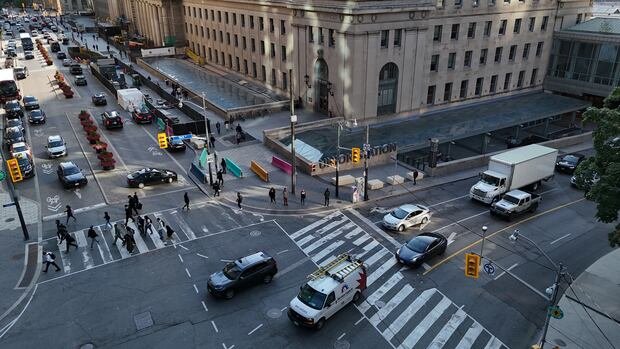
Toronto witnessed a reduction in traffic-related fatalities last year, marking the lowest number of deaths in a decade. This decline occurred despite the removal of a significant road safety initiative from the city. In 2025, Toronto recorded 39 fatalities, a decrease from 2020 when pandemic restrictions led to less traffic. The fatalities included 19 pedestrians, 12 motorists, five motorcyclists, two cyclists, and one classified as “micromobility” involving electric bike riders.
Comparing to a decade ago, when the city experienced a peak of traffic deaths, the current numbers are half. The implementation of the Vision Zero strategy by the City of Toronto aimed to eliminate traffic-related fatalities. The strategy involves various measures such as street redesigns to deter speeding, the introduction of speed and red light cameras. Over the past decade, traffic fatalities have shown a downward trend since the strategy’s inception.
The Vision Zero program saw a boost in funding in 2025, allowing for expansion. Despite the positive trend, one notable setback was the removal of Toronto’s speed cameras in the fall due to new provincial legislation. This decision contrasts studies showing the effectiveness of speed cameras in reducing speeding, which most Ontarians supported. Concerns have been raised that without such measures, there could be an increase in accidents.
Premier Doug Ford and his government have criticized speed cameras as ineffective and opted for large warning signs to deter speeding. Road safety advocates expressed apprehension about the potential risks, especially around school zones where most cameras were installed. Although the loss of speed cameras is a setback, the Vision Zero strategy continues to implement various safety measures, including speed humps, red light cameras, and school crossing guard programs.
While progress has been made towards the Vision Zero goal, advocates emphasize the need for further improvements. They highlight the disproportionate impact on pedestrians in road accidents and advocate for a shift towards designing streets for safety rather than prioritizing vehicle speed. Despite the overall decrease in fatalities, there is recognition of the ongoing challenges in ensuring road safety for all.