
U.S. President Donald Trump issued a warning on Thursday about potentially implementing the Insurrection Act to deploy troops in response to ongoing protests against Immigration and Customs Enforcement (ICE) in Minneapolis.
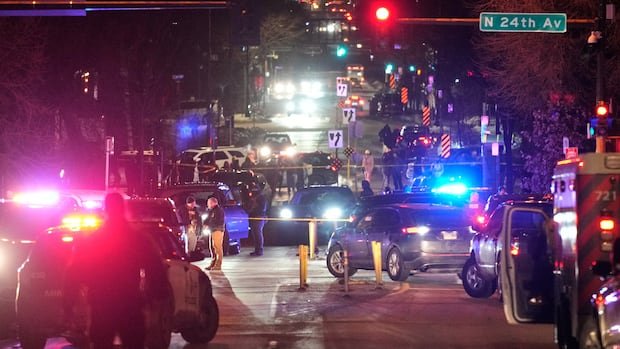
Trump’s statement came after an incident where a federal officer shot a man in Minneapolis on Wednesday after being attacked with a shovel and broom handle, adding to the tension following the recent fatal shooting of a woman by an immigration agent.
In a social media post, Trump criticized Minnesota’s leaders, threatening to invoke the Insurrection Act to address the unrest caused by agitators targeting ICE personnel. The city witnessed chaos as federal officers clashed with protesters, firing tear gas and grenades while facing resistance from the crowd.
Minneapolis Police Chief Brian O’Hara declared the gathering as an unlawful assembly, urging people to disperse. The city has experienced a surge in protests since the fatal shooting incident, with confrontations escalating between ICE agents and local residents.
Mayor Jacob Frey expressed concerns about the situation, highlighting the challenges posed by the influx of federal forces in the city. The Department of Homeland Security confirmed over 2,000 arrests in the state, emphasizing their commitment to maintaining law and order.
Trump’s threat to invoke the Insurrection Act has sparked controversy, given the recent withdrawal of National Guard deployments in various cities. The act allows military intervention in law enforcement, a move not taken lightly and with potential legal challenges.
The recent shooting incident in Minneapolis, where a man was injured, has further fueled tensions in the city. Governor Tim Walz condemned the ongoing violence, describing it as a campaign of brutality by the federal government against the people of Minnesota.
Efforts to halt the immigration crackdown through legal proceedings are underway, with state officials seeking to address constitutional violations. The court battles reflect the ongoing struggle between federal authorities and local leaders over the handling of ICE operations.