
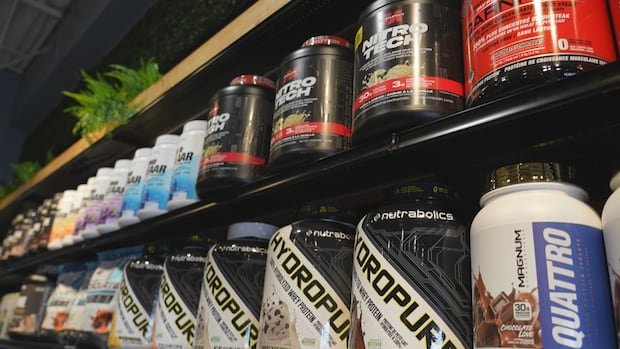
Jennifer Mason, a mother grappling with increased expenses, is reconsidering her dietary choices due to the escalating prices of whey protein powder. To cope with the soaring costs, she is shifting towards sourcing protein from whole foods rather than relying on supplements.
The surge in demand for protein-rich products has led many food manufacturers and fast-food chains to incorporate whey protein into a variety of items, causing shortages and driving prices to unprecedented levels. This surge is exacerbated by the ongoing U.S.-Canada trade conflict, which is expected to further elevate consumer costs.
Across grocery stores, an array of protein-enhanced products, from snacks to beverages, are becoming increasingly prevalent. Popular figures like Khloé Kardashian have introduced protein-infused snacks, while major brands are capitalizing on the health-conscious trend by fortifying their offerings with whey protein.
Fitness influencers advocating for “protein-maxxing” and the rising use of weight-loss medications are further fueling the demand for protein consumption. John Murray, overseeing marketing at Daryl’s Bars, a protein snack producer, notes the challenges smaller businesses face in securing sufficient whey protein amid heightened competition from larger corporations.
The U.S. Dairy Export Council highlights the insatiable domestic appetite for high-protein whey, leading to reduced availability for export markets and subsequent price hikes. This trend has seen the cost of whey protein concentrate, particularly WPC80, surge by significant margins in recent years.
Amid these challenges, Canadian businesses are seeking relief from tariffs imposed on U.S. whey imports, with limited domestic alternatives available. The complexities involved in whey production, being a byproduct of cheese-making, pose further obstacles in quickly ramping up supply to meet escalating demand.
As prices continue to rise, consumers like Audrey Marcoux express willingness to bear the increased costs for their fitness routines, while others, like Nathan Bugiardini, consider scaling back purchases in response to the price hikes. With the affordability of whey protein diminishing, some consumers are exploring plant-based alternatives and unprocessed foods as viable substitutes.